



MBE Editorial
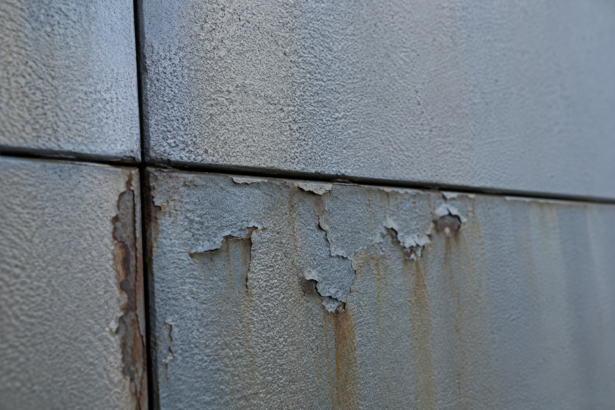
Textured Metal Panel Coatings: Where PVDF Fails
PVDF coatings excel on intact panels but fail predictably at field-cut edges, drilled fasteners…
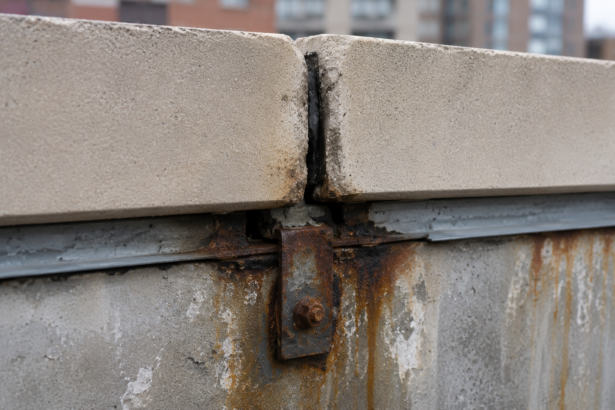
Cast Stone Coping Units: Anchor Failure and Water Risk
A forensic case study on cast stone coping failure reveals how anchor corrosion, undersized…
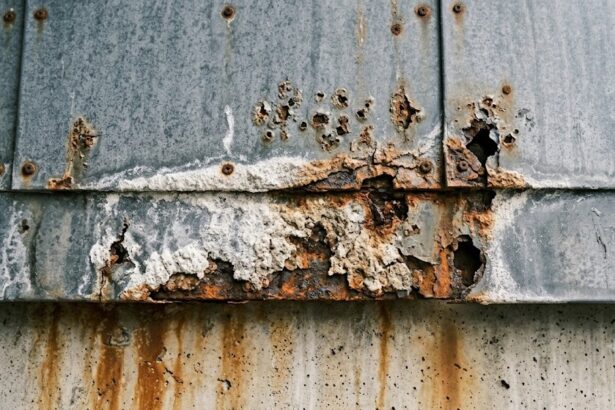
Zinc-Coated Steel Liner Pans: Corrosion at Trapped Joints
Concealed horizontal liner pan joints trap moisture and corrode zinc coatings faster than specifications…
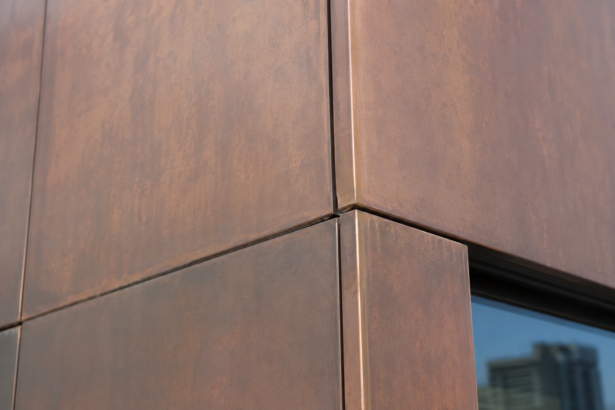
Brazed Copper Facade Panels: Thermal and Joint Risk
Brazed copper facade panels are returning to specs without the joint engineering they demand,…
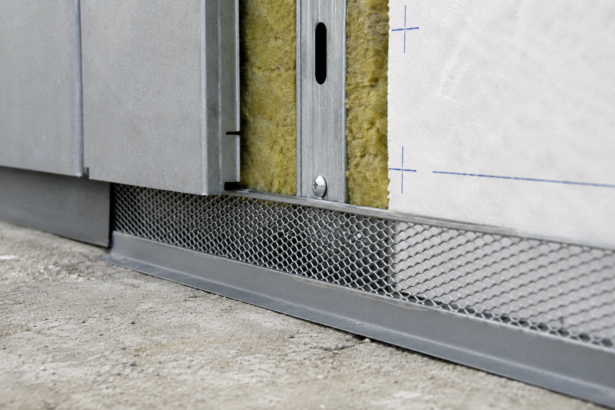
Zinc Ribbon Vents at Rainscreen Cavity Bases
Zinc ribbon vents at rainscreen cavity bases must manage drainage, ventilation and pest exclusion…
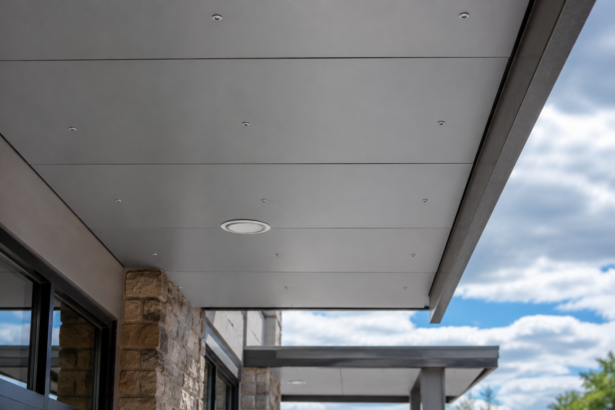
Thin Aluminum Plate Soffits: Fastener Fatigue Risk
Thin aluminum soffit panels at canopies face cyclic wind fatigue that static load calculations…
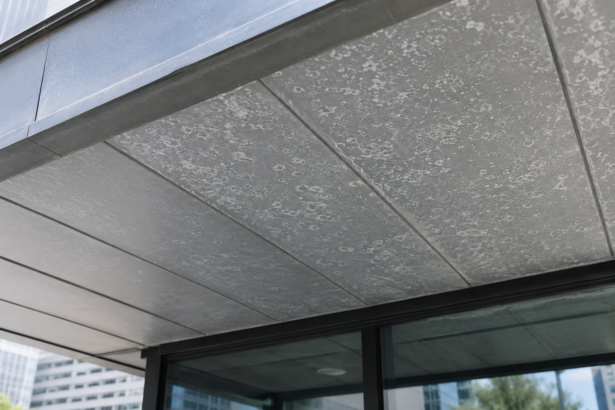
Textured Zinc Soffit Panels: Corrosion and Drainage Risk
Zinc soffit panels corrode prematurely when vertical facade drainage details are applied unchanged to…
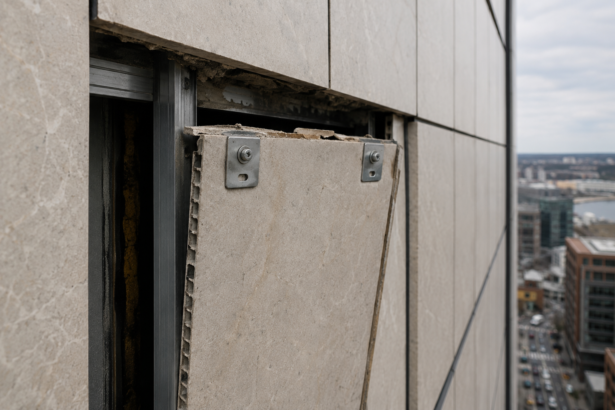
Screw-Fixed Stone Honeycomb Panels: Anchor Pull-Out Risk
Screw-fixed stone honeycomb panels carry four distinct anchor pull-out failure modes that manufacturer tables…
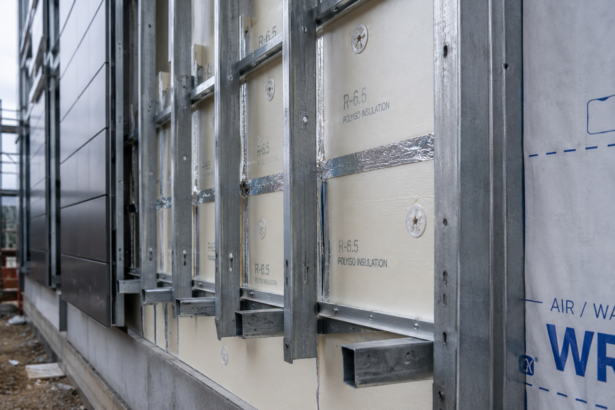
Polyisocyanurate CI Boards at Metal Stud Walls
Polyiso CI boards lose up to 38% of labeled R-value in cold climates, creating…
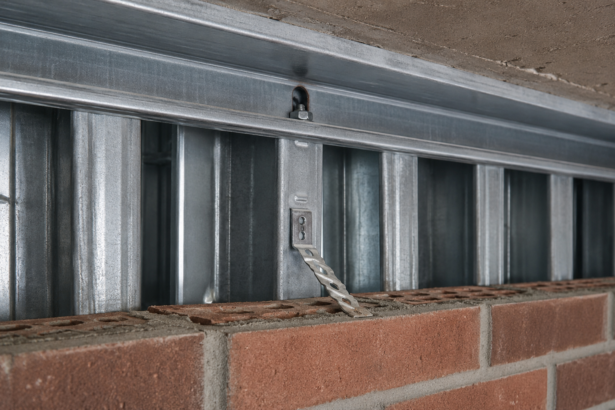
Cold-Formed Steel Deflection Tracks at Masonry Veneer
Undersized slip-track slots in CFS backup walls transfer load into masonry veneer, causing cracking…
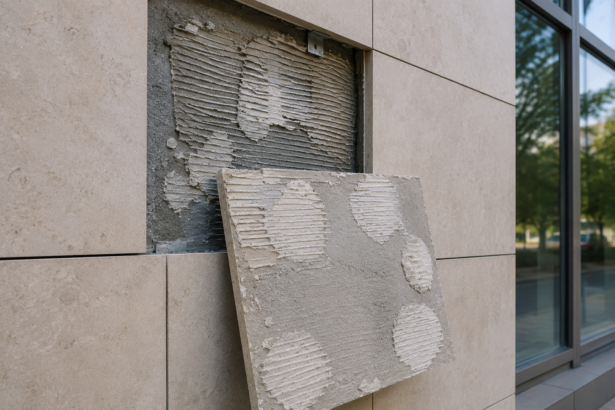
Thin-Set Mortar Failures in Adhered Stone Facades
Adhered stone facade delaminations trace to substrate flatness failures and open-time mismanagement, not mortar…
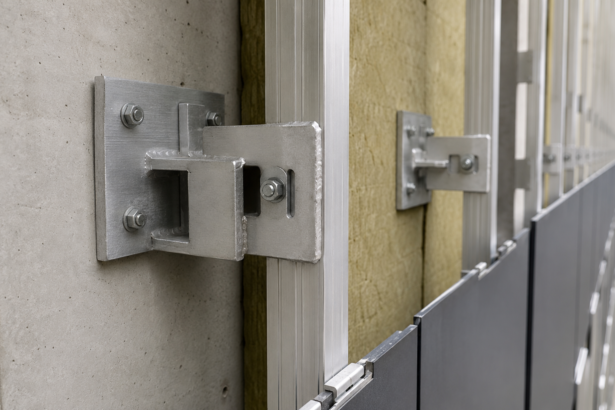
Riveted vs. Welded Aluminum Subframe Attachment Risk
Forensic cases reveal welded aluminum subframe brackets failing from fatigue while riveted connections survive.…