





MBE Editorial
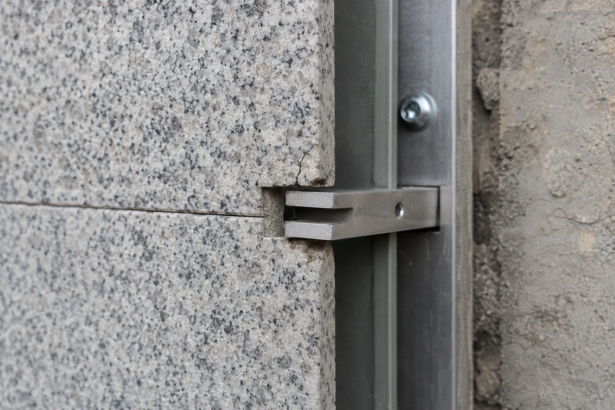
Thin Stone Veneer Panels: Kerf Depth and Anchor Risk
Thin stone veneer panels reduced through value engineering create dangerous kerf anchor failures. Learn…
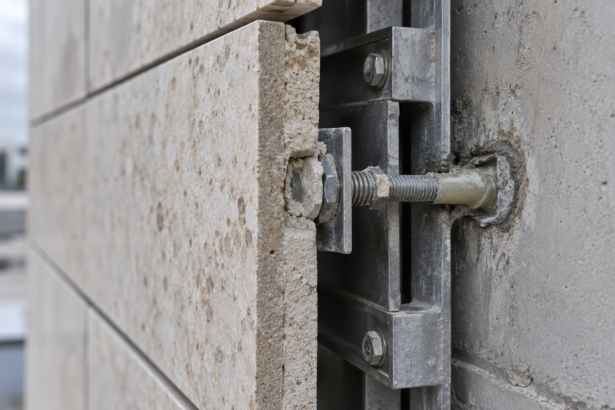
Epoxy vs. Mechanical Anchors in Stone Facade Systems: Performance, Failure Risk, and Selection
Forensic data from North American urban cores reveals a consistent failure pattern in epoxy-anchored…
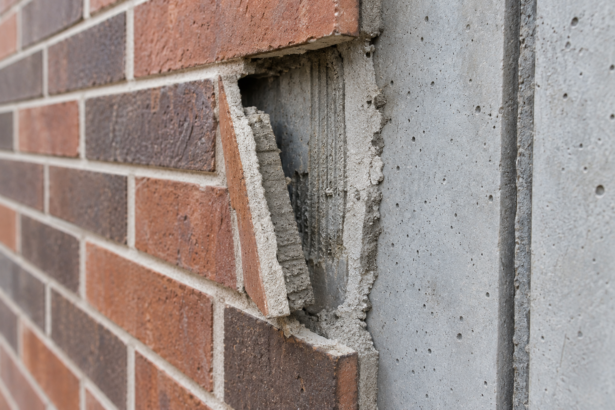
Thin Brick Veneer on Precast Panels: Bond Failure Risk and Long-Term Performance
Thin brick on precast panels is failing in clusters at panel corners. The cause…
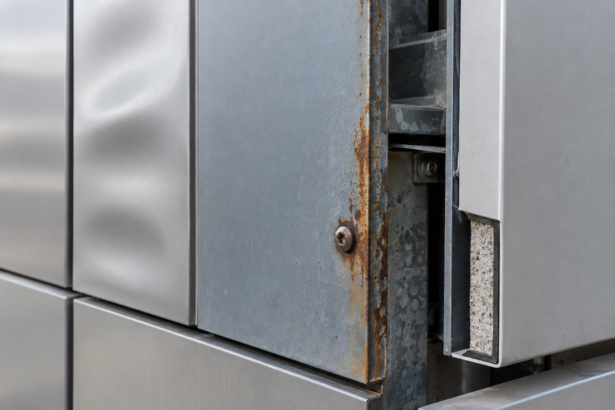
ACM vs. Solid Aluminum vs. Steel Panels: A Specifier’s Guide to Performance, Durability, and Selection
A specifier's guide comparing ACM, solid aluminum and steel cladding for commercial rainscreen facades,…
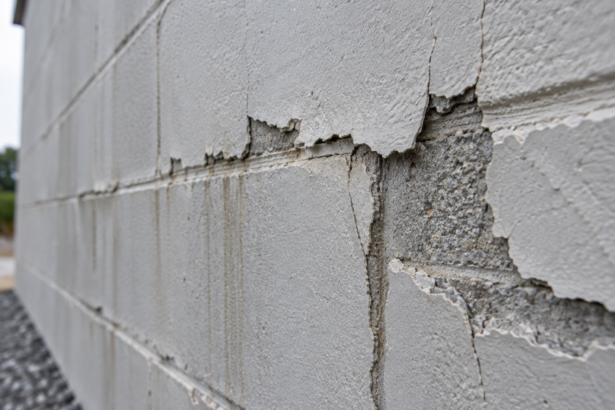
Elastomeric Coatings on Masonry: Where Adhesion, Moisture, and Crack Bridging Fail
Forensic investigations reveal elastomeric coatings on aging masonry often trap moisture and accelerate spalling.…
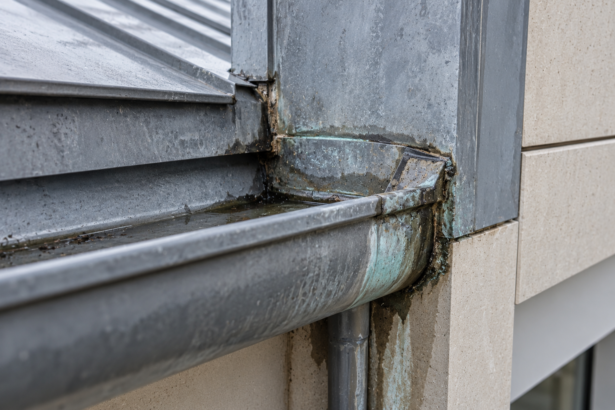
Zinc Gutters at Facade Transitions: Where Corrosion and Water Management Fail
Zinc drainage components fail prematurely on North American facades when galvanic couples with steel,…
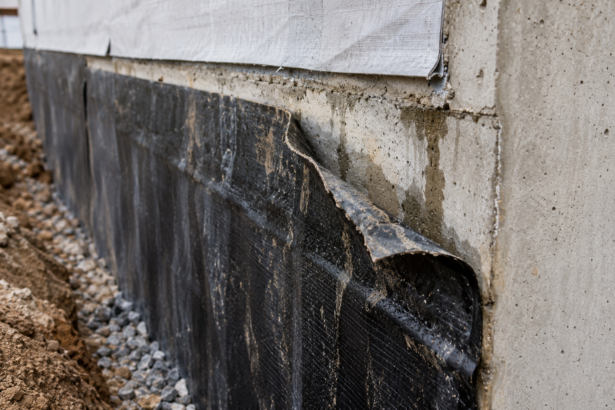
Peel-and-Stick Membranes at Below-Grade Wall Transitions: Where Adhesion and Waterproofing Fail
Below-grade-to-above-grade membrane transitions fail due to trade gaps, substrate issues and sequencing problems. Here…
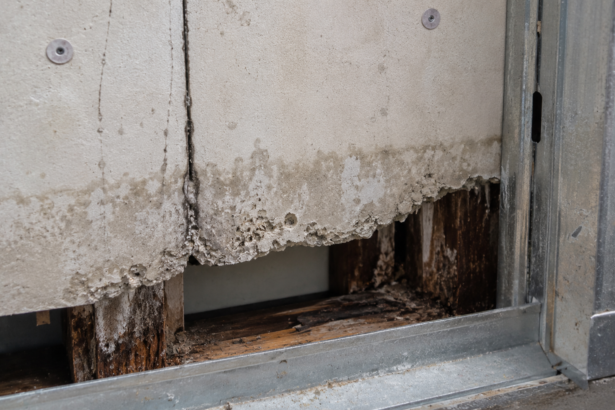
Magnesium Oxide Sheathing: What Went Wrong
Forensic analysis of MgO sheathing failures reveals how excess chloride binders caused widespread corrosion,…
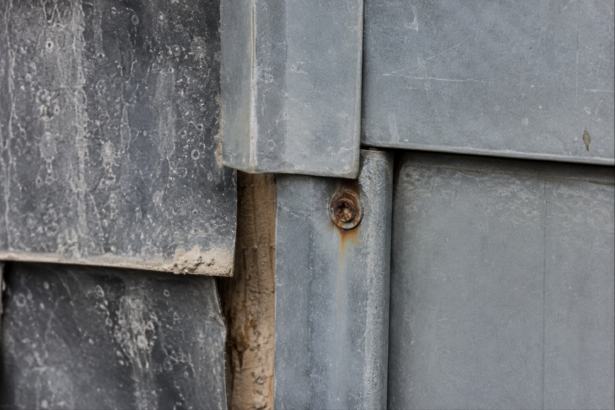
Thin Zinc Sheet Cladding: Substrate and Fastener Risks in Long-Term Facade Performance
Thin zinc sheet cladding failures in North America trace to substrate flatness gaps, incompatible…
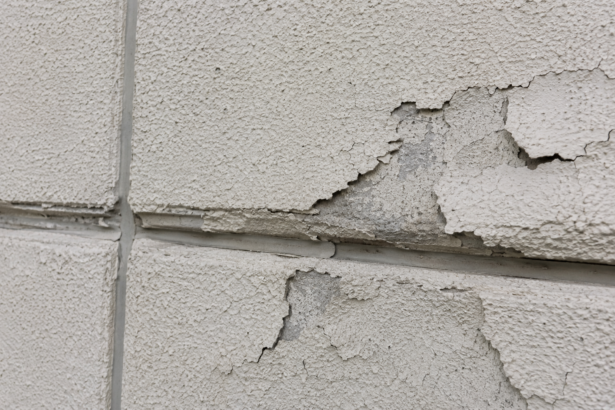
Textured Elastomeric Coatings on Tilt-Up Concrete: Cracking, Adhesion, and Moisture Risks
Textured elastomeric coatings on tilt-up concrete fail predictably at panel joints and lift insert…
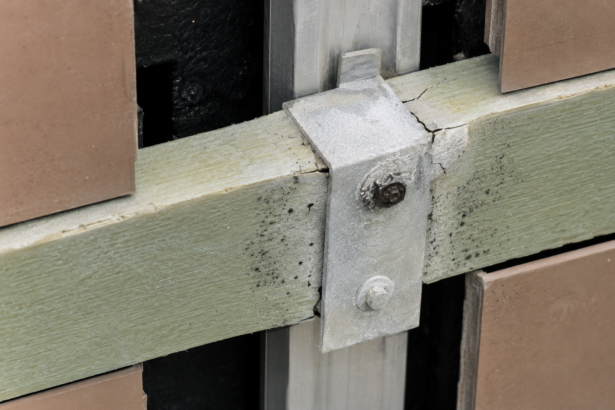
Pultruded FRP Girts in Rainscreen Facades: Risk Guide for Attachment, Loading, and Long-Term Performance
Pultruded FRP girts offer real thermal gains in rainscreen facades, but misapplied steel details…
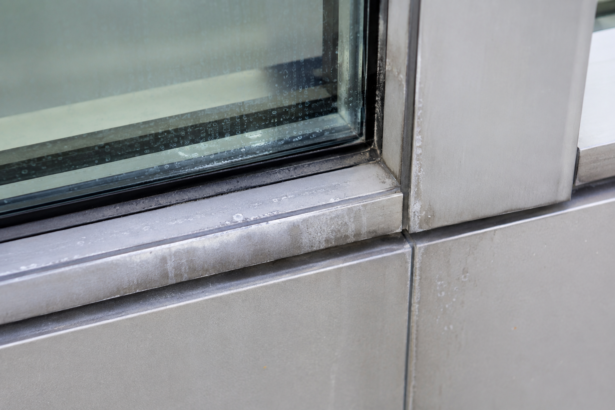
Electrochromic Glazing: Envelope Integration Limits and Performance Risks
Electrochromic glazing demands envelope-level electrical and thermal coordination from day one. Without it, wire…