


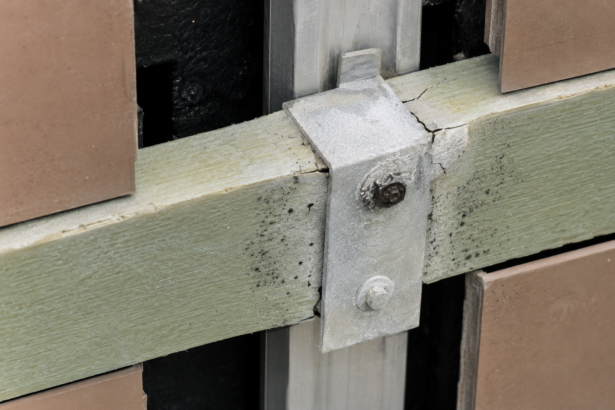
Pultruded FRP Girts in Rainscreen Facades: Risk Guide for Attachment, Loading, and Long-Term Performance
Pultruded FRP girts offer real thermal gains in rainscreen facades, but misapplied steel details…
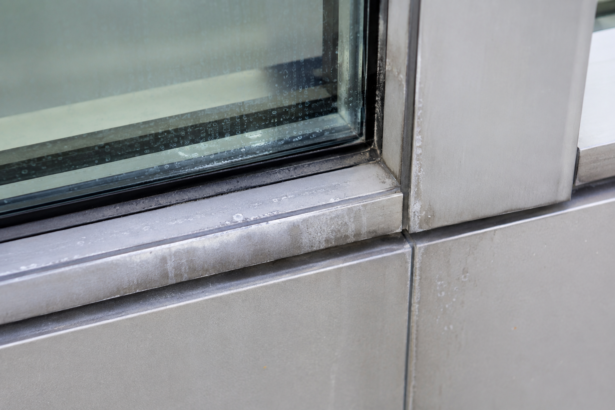
Electrochromic Glazing: Envelope Integration Limits and Performance Risks
Electrochromic glazing demands envelope-level electrical and thermal coordination from day one. Without it, wire…

Copper and Zinc Dissimilar Metal Compatibility in Facade
Galvanic corrosion in mixed-metal facades hides in the attachment stack between trades. Here is…
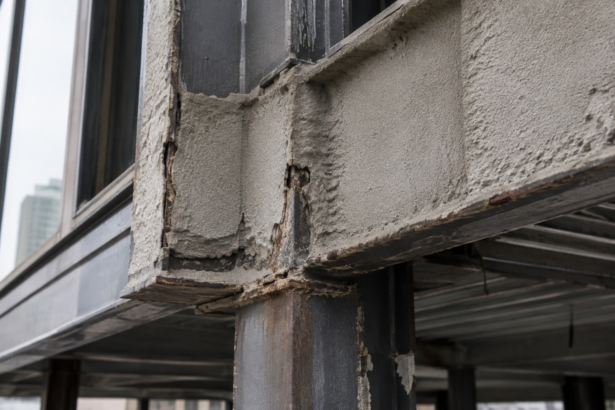
Cementitious Fireproofing at Exposed Steel Facade Frames
Cementitious fireproofing at exposed steel facade frames creates a systemic coordination failure between fireproofing…
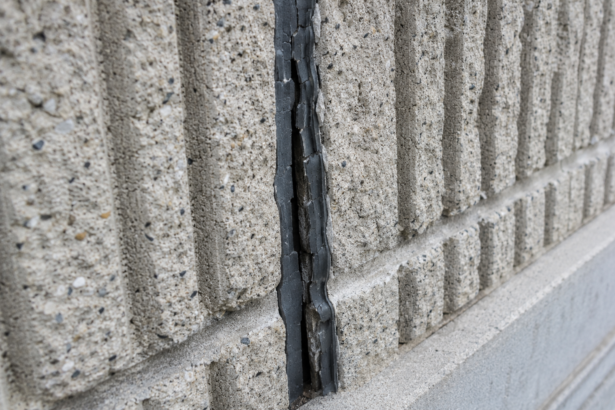
Textured Concrete Masonry Unit Facades: Sealant Joint Risk
Forensic analysis reveals why sealant repairs on split-face CMU facades keep failing and what…
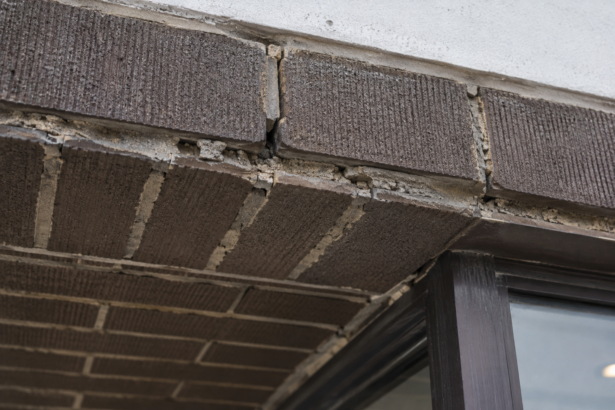
Textured Brick Soffit Units: Mortar Joint Failure Risk
Textured brick soffits fail faster than walls due to inverted moisture dynamics and freeze-thaw…
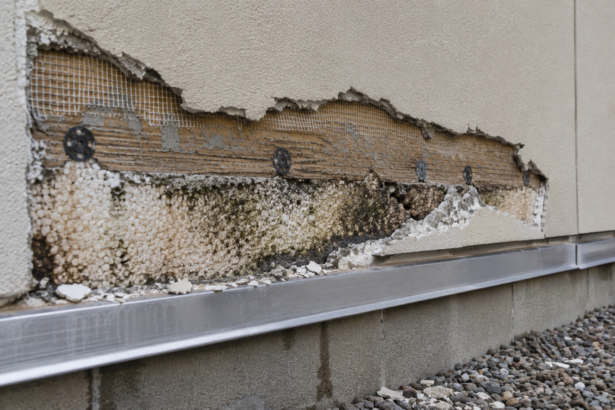
EIFS in Commercial Construction: Where the System Fails and Why Moisture Gets In
Modern drainage EIFS outperforms its reputation, but four recurring failure modes still drive claims.…
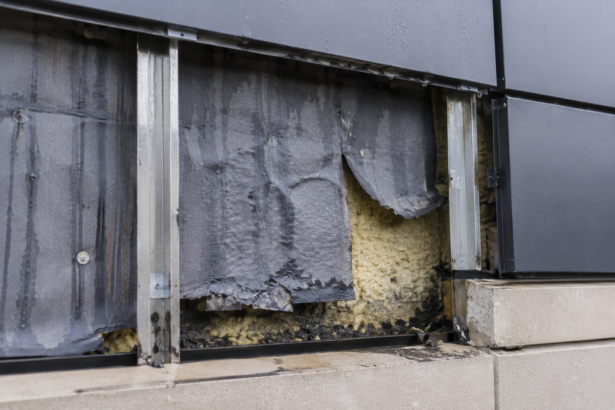
Advancements in Rainscreen Systems: Balancing Moisture Control and Aesthetic Appeal
Rainscreen systems are evolving to balance moisture control and aesthetic design, with new materials,…
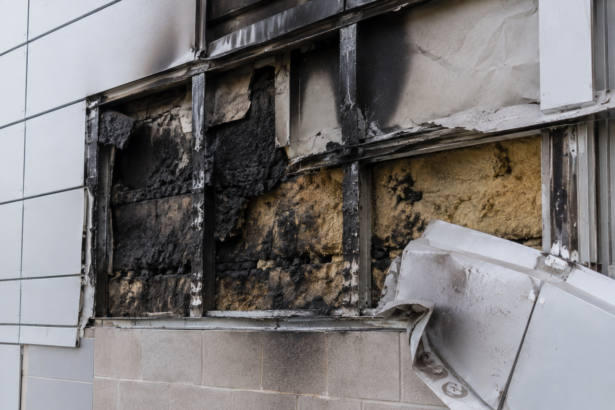
Navigating Fire Performance Codes for Metal Cladding in High-Rise Buildings
Recent IBC Section 1406 updates impose stricter fire performance requirements for metal cladding in…
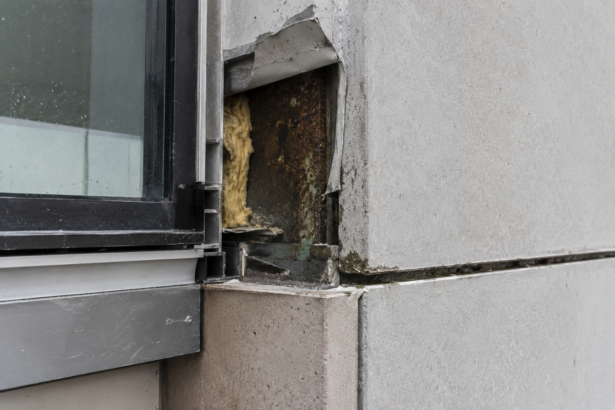
Glazed Curtainwall-to-Opaque Wall Transitions: Where the Detailing Gap Opens
Curtainwall-to-opaque wall transitions fail air barrier continuity, thermal performance and trade coordination more consistently…
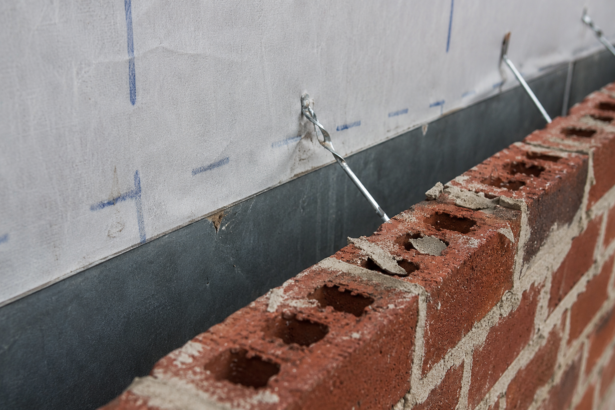
PVC Coated vs. Stainless Steel Cavity Wall Ties
A forensic look at why PVC-coated cavity wall ties fail in coastal exposures and…
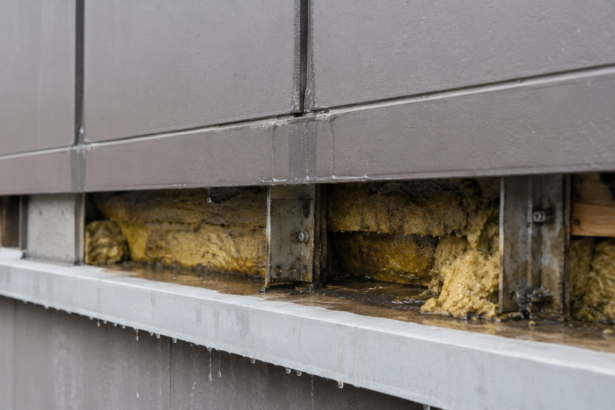
Sealed vs. Open-Joint Rainscreen Systems
Sealed and open-joint rainscreen systems are not binary categories but a performance spectrum where…