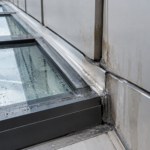
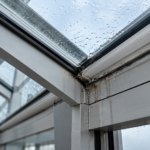
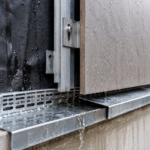
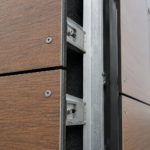
- A Pacific Northwest job site failure illustrates the costly consequences of improper rainscreen detailing and installation.
- Metal and fabricated materials offer durability and design flexibility while raising important sustainability considerations.
- Pressure-equalized systems and ASTM testing standards help ensure effective moisture control across diverse climates.
- Recent IBC and NFPA 285 code updates are reshaping material selection and fire safety requirements for exterior wall assemblies.
- Emerging innovations like smart moisture sensors and vacuum-insulated panels are expanding the performance and design potential of rainscreen systems.
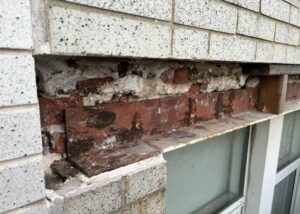
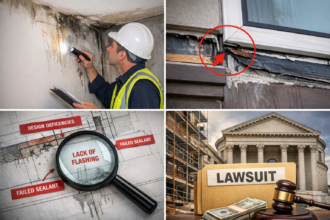
Advancements in Rainscreen Systems: Balancing Moisture Control and Aesthetic Appeal A recent job site failure in a commercial building in the Pacific Northwest highlights the critical importance of proper rainscreen installation. Inadequate detailing and execution led to significant moisture intrusion, resulting in extensive damage to the interior finishes and structural components. The financial implications were severe, with repair costs soaring into the millions. This failure highlights the necessity of advancements in rainscreen systems. By marrying moisture control with aesthetic appeal, these systems are essential for modern building envelopes. The case serves as a stark reminder of the importance of both design and careful installation practices. — Understanding Rainscreen Systems Rainscreen systems are a important component of building envelopes, designed to control moisture while allowing architects to achieve desired aesthetics. The concept of rainscreens dates back to traditional cladding methods, but modern systems have evolved significantly. They work on the principle of creating a ventilated cavity behind the exterior cladding, allowing for drainage and evaporation of moisture. This ensures that water does not penetrate the structural wall, thus maintaining the integrity of the building. ASTM E2925 sets the performance requirements for these systems, ensuring they meet necessary standards for moisture control and durability. The standard covers aspects such as water resistance, air leakage and thermal performance, underscoring the complexity of these systems. Balancing moisture management with aesthetic design is not just a technical challenge but also an opportunity for innovation in architecture. Practitioners often emphasize the importance of
integrating these systems early in the design process to align with both functional and visual goals. — Metal and Fabricated Rainscreen Materials Metal and fabricated materials are widely used in rainscreen systems due to their durability and design flexibility. Metals like aluminum and stainless steel offer long lifespans, often exceeding 50 years and can be recycled at the end of their life, making them environmentally sustainable choices. According to industry statistics, metal rainscreens have a recyclability rate of over 90%, reducing environmental impact significantly. Their versatility allows for intricate designs, enabling architects to create visually striking facades. However, the environmental implications of metal extraction and processing cannot be ignored. Sustainable sourcing and manufacturing practices are important to mitigating these impacts. The balance between durability, aesthetics and environmental responsibility must be carefully considered when selecting rainscreen materials. For instance, specifying materials with Environmental Product Declarations (EPDs) can provide transparency regarding environmental impacts, aiding in responsible decision-making. Additionally, architects must weigh the benefits of using fabricated materials like high-pressure laminates, which offer similar flexibility with potentially lower environmental costs. — Moisture Control Mechanisms Rainscreens are engineered to manage moisture through a combination of ventilation and drainage. The ventilated cavity allows air to circulate, enabling evaporation and reducing the risk of water ingress. Drainage pathways ensure any water that penetrates the outer cladding is effectively channeled away from the structural wall. ASTM E331 provides guidelines for water
penetration testing, ensuring systems are rigorously evaluated for their ability to prevent moisture intrusion. A case study of a high-rise in Toronto demonstrates successful moisture control implementation. The building utilized a pressure-equalized rainscreen system, effectively managing wind-driven rain and preventing water ingress. Such examples highlight the importance of selecting appropriate rainscreen systems to address specific environmental conditions. Practitioners often stress the importance of considering local climate data during the design phase to tailor the rainscreen system to the building’s specific needs. This approach not only enhances performance but also extends the lifespan of the building envelope. — Aesthetic Possibilities with Rainscreens Modern rainscreen systems offer unparalleled design versatility, allowing architects to push the boundaries of aesthetic expression. Customization options abound, from color and texture to material and form. This flexibility enables the creation of iconic facades, like those seen in the Seattle Central Library, where metal rainscreens contribute to its striking visual identity. Survey data indicates a growing preference among architects for metal rainscreens, driven by their ability to achieve both performance and aesthetic goals. The integration of advanced fabrication technologies further enhances the potential for creativity, enabling the realization of complex geometries and dynamic surfaces. Rainscreen systems are not just functional elements but integral to the architectural vision. The ability to incorporate elements such as integrated lighting or photovoltaic panels can further enhance the visual and functional appeal of a building. Architects are increasingly using parametric design tools to
examine the full potential of rainscreen systems, ensuring that the final outcome aligns with both the client’s vision and environmental considerations. — Recent Code Changes and Their Impact Recent changes in building codes have significant implications for rainscreen systems. The International Building Code (IBC) Section 1403 addresses exterior walls, emphasizing moisture management and fire safety. These changes necessitate careful consideration during the design and construction phases to ensure compliance. The increased focus on fire performance, driven by incidents involving combustible cladding, requires the use of non-combustible materials and rigorous testing. These code updates impact material selection, detailing and installation practices. Architects and contractors must stay informed of these changes to avoid costly compliance issues and ensure the safety and durability of building envelopes. The IBC now requires more stringent fire testing protocols, such as NFPA 285, which evaluates the fire propagation characteristics of exterior wall assemblies. This shift has led to increased collaboration between architects and fire engineers to develop solutions that meet both aesthetic and safety requirements. Additionally, the integration of fire-resistant barriers and the use of advanced materials like mineral wool insulation are becoming more prevalent in response to these code changes. — Innovations in Rainscreen Technology The field of rainscreen technology is witnessing exciting advancements. New materials and technologies are enhancing system performance, offering improved moisture management and energy efficiency. The integration of smart technologies, such as sensors for real-time moisture monitoring, allows for proactive maintenance and early
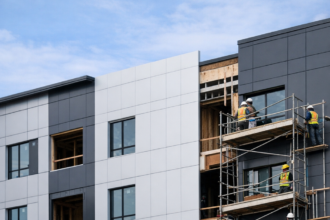
detection of potential issues. Recent patents highlight innovations in cladding attachment systems, reducing thermal bridging and improving energy performance. These technological breakthroughs are setting the stage for future developments, driving the industry towards more sustainable and efficient solutions. As these innovations continue to evolve, they promise to redefine the possibilities of rainscreen systems in architectural design. For instance, the development of vacuum-insulated panels offers superior thermal performance, enabling thinner wall assemblies without sacrificing energy efficiency. The use of phase change materials within the rainscreen cavity is another emerging trend, providing enhanced thermal regulation by absorbing and releasing heat as needed. These advancements not only improve building performance but also offer new opportunities for creative architectural expression. — Challenges and Considerations in Rainscreen Installation Despite their advantages, rainscreen systems pose installation challenges. Common issues include improper detailing and inadequate training of installers. Skilled labor is essential to ensure systems perform as intended, as improper installation can lead to significant moisture problems. Long-term maintenance is another consideration for building owners. Systems must be designed for accessibility and ease of inspection to enable ongoing upkeep. ASTM E2357 outlines standards for air barrier performance, emphasizing the importance of proper installation and testing. Addressing these challenges is important for the successful implementation of rainscreen systems. Field observations often reveal gaps between specifications and actual installation, highlighting the need for thorough training and quality control
measures. The use of mock-ups and on-site testing can help identify potential issues before full-scale installation, reducing the risk of failure. Additionally, clear communication between design teams, contractors and installers is important to ensure that all parties understand the specific requirements and nuances of the chosen rainscreen system. — Looking Ahead: The Future of Rainscreen Systems Advancements in rainscreen systems are poised to continue, driven by the need for improved moisture control and aesthetic flexibility. Ongoing innovation is essential to meet the evolving demands of the construction industry. Collaboration between architects, engineers and manufacturers will be key to pushing the boundaries of what is possible. As we look to the future, it is clear that rainscreen systems will play a important role in creating buildings that are both beautiful and resilient. The challenge lies in using new technologies and materials to develop solutions that meet both functional and aesthetic needs, ensuring the longevity and performance of building envelopes. The integration of digital design tools and sustainable practices will likely lead to more adaptive and responsive building facades, capable of adjusting to changing environmental conditions. As the industry continues to prioritize sustainability and resilience, rainscreen systems will remain at the forefront of architectural innovation, offering endless possibilities for design and performance.