
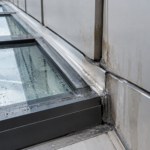

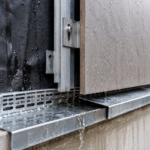
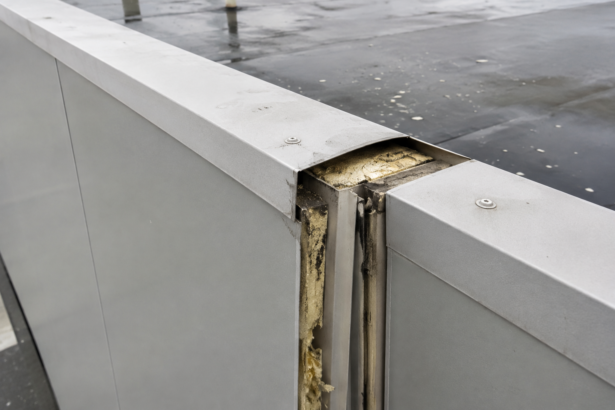
Composite Metal Panels at Parapets: Why Water Control Fails
Parapet transitions between composite metal panels and roofing systems fail due to uncoordinated scopes,…
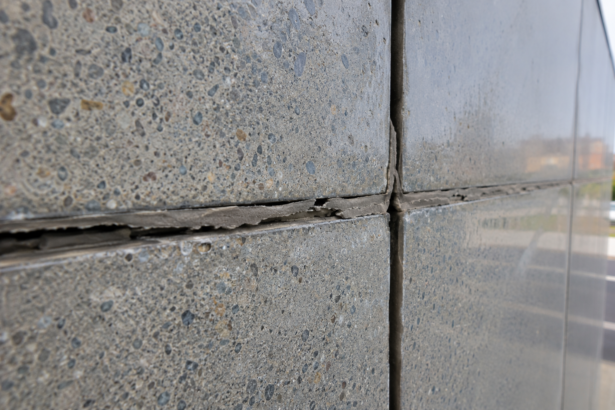
Polished Concrete and Tilt-Up Panel Facades
Tilt-up concrete facades fail air leakage tests not from membrane failures but from sealant…
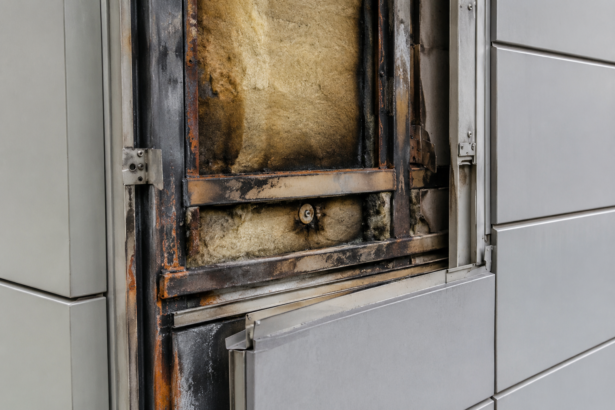
Fire Performance in Metal Cladding: Balancing Aesthetics and Safety
IBC 2021 Section 1406 reshapes fire performance requirements for metal cladding, challenging consultants to…
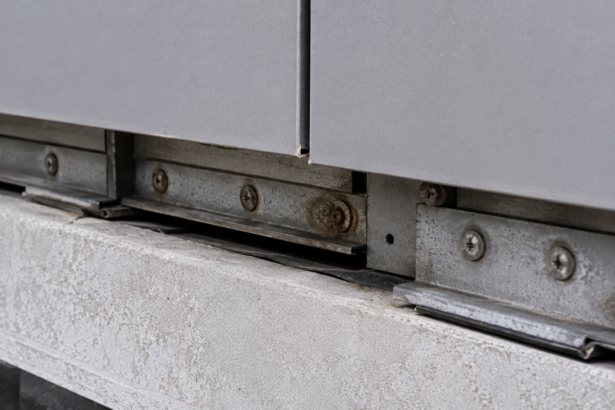
Concealed vs. Exposed Fastener Attachment in Metal Rainscreen
Concealed vs. exposed fastener selection in metal rainscreen systems carries structural consequences that most…
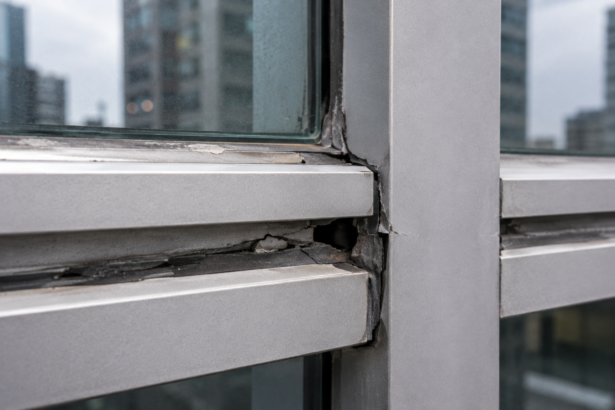
Sealant Joint Design in Unitized Curtainwall Systems: Stack
Stack joint failures in unitized curtainwall often trace to fabrication tolerances that consume the…
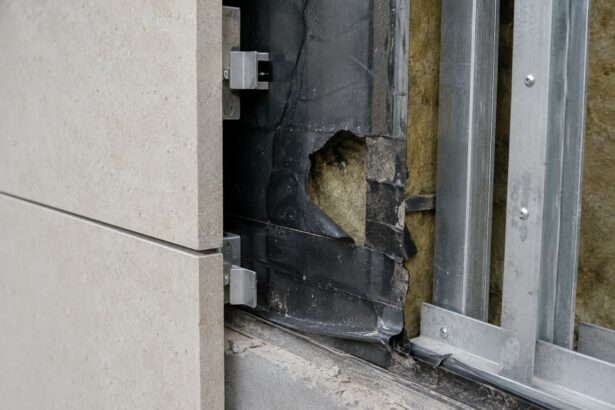
The Role of Air Barriers in Achieving Superior Thermal Performance
Air barriers control air leakage to boost thermal performance, energy efficiency and occupant comfort…
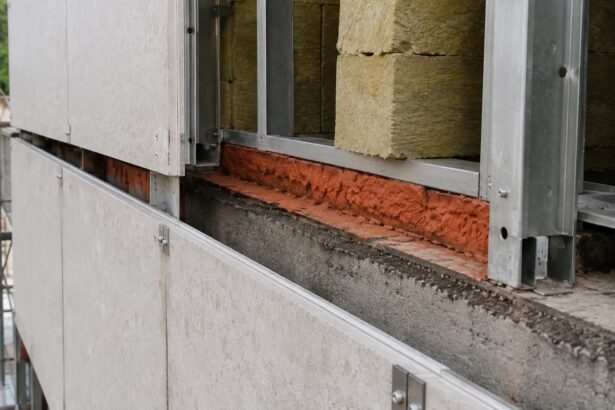
Firestopping in Rainscreen Assemblies: Best Practices and Compliance
The 2021 IBC Section 715 updates firestopping requirements for rainscreen assemblies, raising compliance stakes…
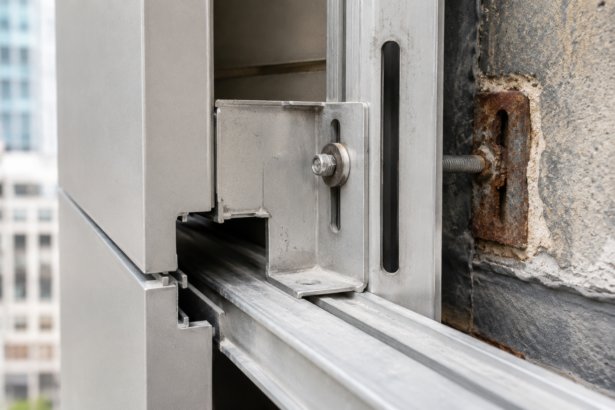
Demountable Facade Cladding: Attachment Risk
Demountable rainscreen cladding systems carry real sustainability benefits but unresolved structural and moisture risks…
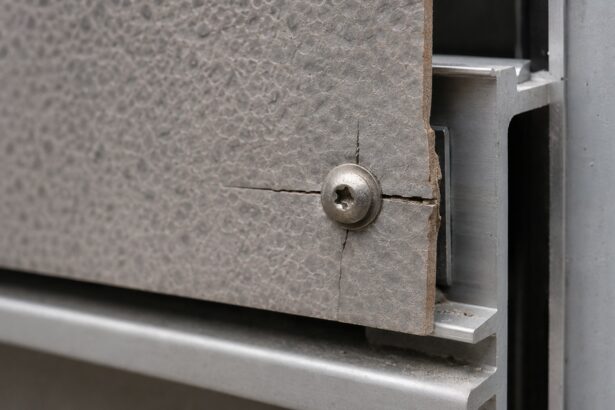
Textured HPL Panels: Fastener Torque and Split Risk
Textured HPL panels carry hidden fastener risks that standard torque specs don't address, leading…
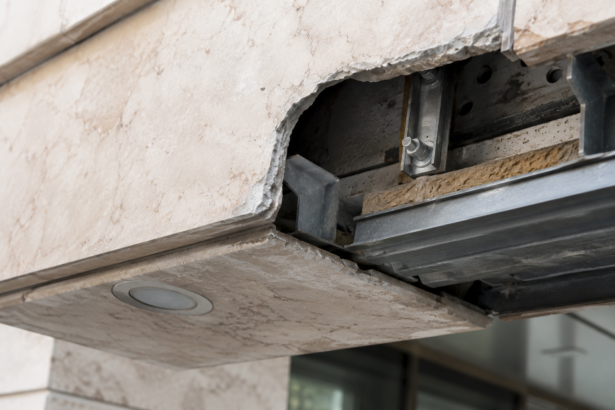
Backed Stone Soffit Panels: Anchor Geometry Risk
Backed stone soffit panels from the early-2000s face silent anchor pull-out failures due to…
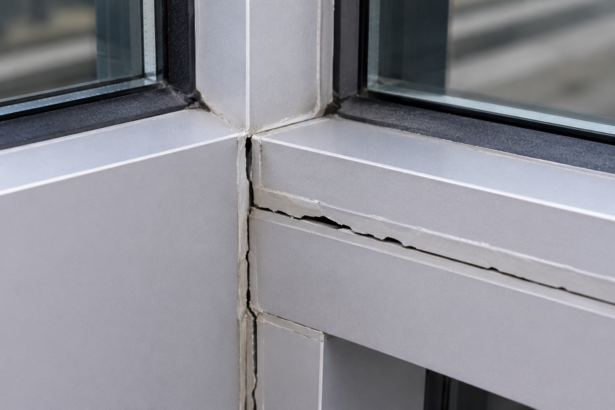
Sealed Aluminum Extrusion Joints: Sealant Bite Limits
Splice joints in aluminum storefront framing are the primary field-sealed weak points in air…
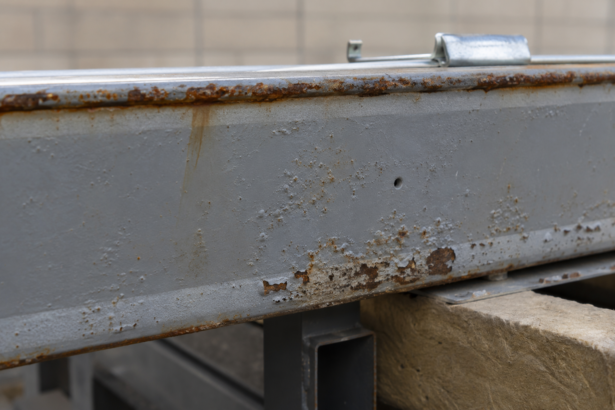
Zinc Phosphate vs. Epoxy Primers on Steel Subgirts
Zinc phosphate primers fail in deep rainscreen cavities. Here is how to specify the…