

AI and the Future of Facade Engineering
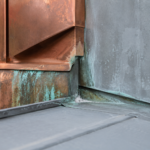
Air barrier failures at curtainwall-to-opaque wall transitions stem from unassigned contract scope, not field…

The Role of AI in Building Envelope Design, Construction, and Operations
Air barrier failures at curtainwall-to-opaque wall transitions stem from unassigned contract scope, not field…

Glazed Curtainwall-to-Opaque Wall Transitions: Air Barrier Continuity Failures, Thermal Bridging at the Slab Edge, and Why the Interface Detail Is the Most Litigated Zone in the Facade
Air barrier failures at curtainwall-to-opaque wall transitions stem from unassigned contract scope, not field…
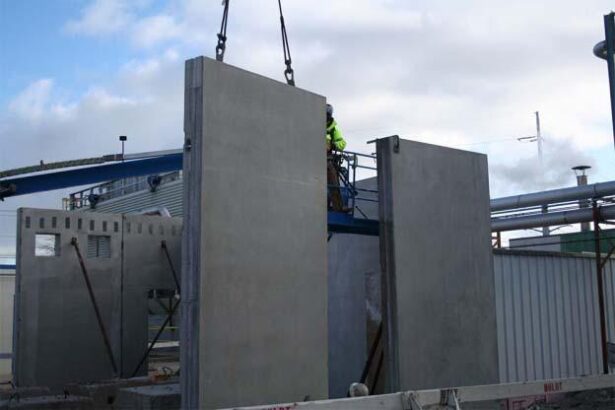
Polished and Textured Concrete Panel Facades: Anchor Embed Design, Thermal Movement Tolerances, and Where the Precast-to-Steel-Frame Interface Creates Long-Term Structural Risk
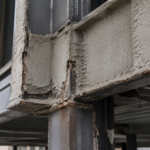
Forensic analysis of precast concrete panel facades reveals how anchor embed design gaps, thermal…
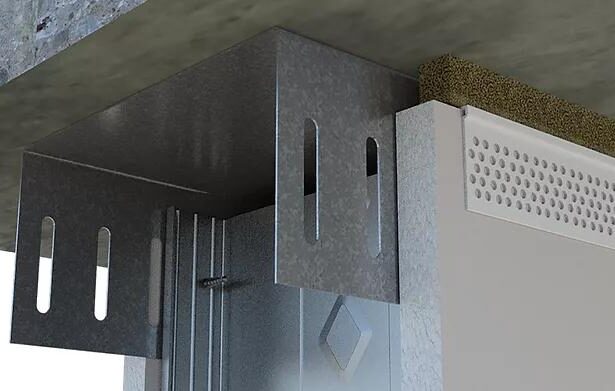
Cold-Formed Steel Stud Backup Walls and Continuous Insulation Integration: Where the Deflection Track Detail Undermines Air Barrier Continuity and Thermal Performance
Deflection track gaps in CFS backup walls routinely break air barrier continuity and thermal…
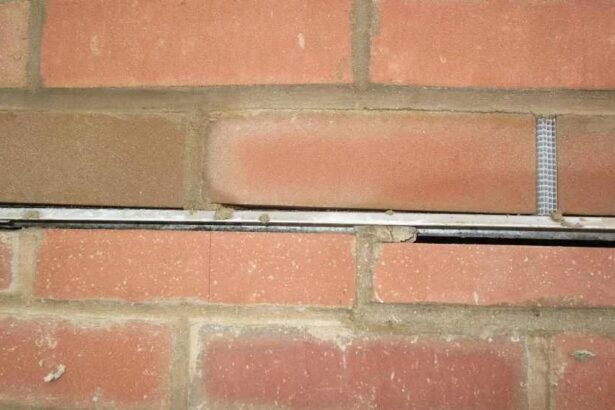
Through-Wall Flashing at Shelf Angles: Why the Most Overlooked Detail in Masonry Veneer Facades Is Also the Most Litigated
Shelf angle through-wall flashing failures drive 60–70% of anchored veneer water intrusion claims. Learn…
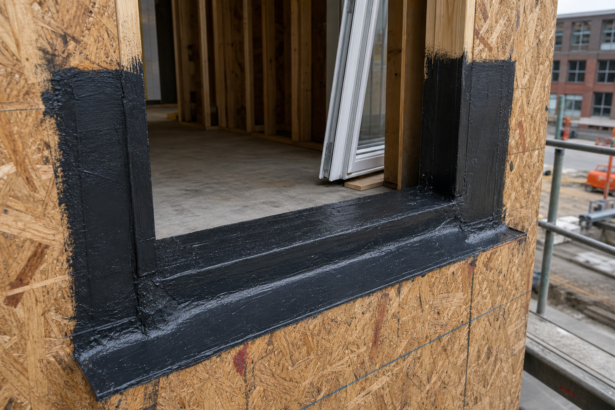
Liquid Flashing Membranes at Window and Door Rough Openings: Substrate Compatibility Failures, Corner Bridging Limitations, and Where the Speed-of-Installation Assumption Creates Long-Term Water Intrusion Risk
Liquid flashing membranes fail not from product deficiency but from under-application, skipped primers, unbridged…
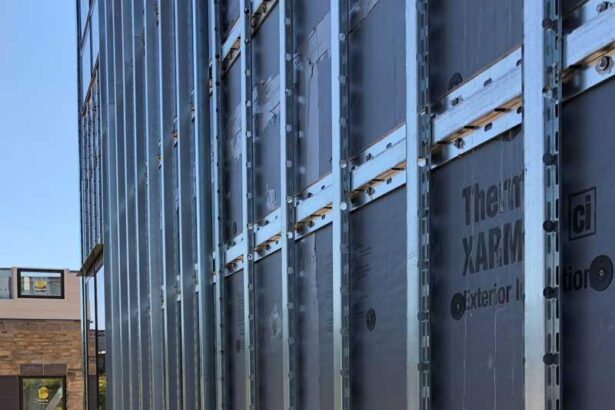
ACM vs. Solid Aluminum vs. Steel Rainscreen Panels: A Specifier’s Guide to Fire Code Compliance and Long-Term Facade Performance in North America
A technical guide for specifiers navigating IBC 2021 fire code compliance, NFPA 285 tested…
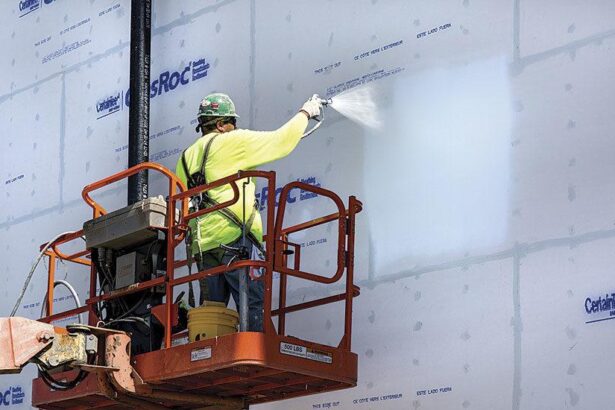
Concrete Masonry Unit Backup Walls and Air Barrier Integration: Where the Transition Details Fail and Why the CMU Surface Condition Is the Root Cause
Fluid-applied air barriers over CMU backup walls fail predictably due to substrate preparation gaps…
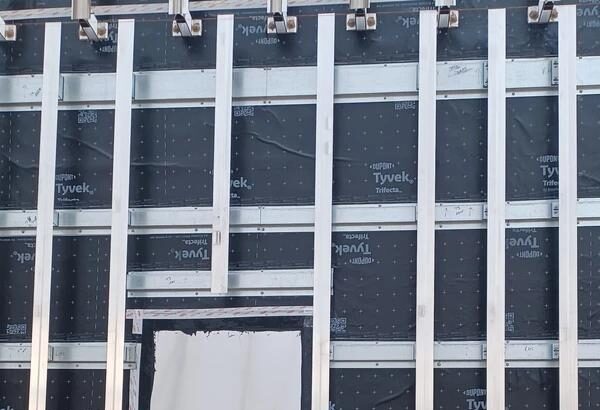
Fiberglass Reinforced Polymer Cladding in Commercial Facade Applications: Structural Attachment Limits, Thermal Expansion Tolerances, and Where the Lightweight Assumption Creates Long-Term Risk
FRP cladding in commercial facades introduces thermal expansion, attachment, and UV degradation risks that…
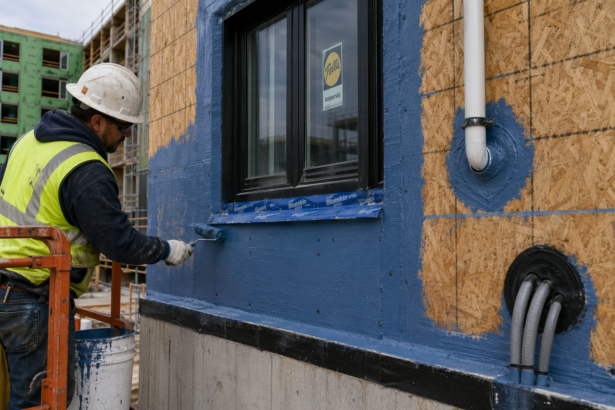
Fluid-Applied Air and Water-Resistive Barriers on Sheathing Substrates: Adhesion Failure Modes, Temperature Application Windows, and Where the Continuity Assumption Breaks Down at Transitions
Fluid-applied AWBs fail predictably at transitions, dissimilar substrates, and outside temperature windows—not in field…
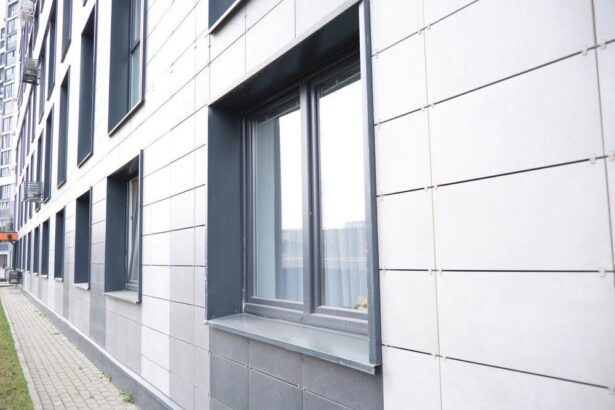
Phenolic Core vs. Mineral Core Compact Panels: What the Fire Test Data Actually Tells Specifiers About Code Compliance in North American Rainscreen Applications
Fire test data reveals critical compliance gaps between phenolic and mineral core compact panels…