Fire Performance of Metal Cladding Systems: Navigating Code Compliance and Safety
Opening Angle: Recent Code Change
The 2021 update to the International Building Code (IBC) introduced important changes to section 1403.5, which focuses on the fire performance requirements for exterior walls. This update places increased emphasis on the fire safety of metal cladding systems. As building envelope consultants, understanding these changes is non-negotiable.
The revised code enhances scrutiny on metal cladding, demanding that professionals ensure compliance with stricter fire performance criteria. The implications of these updates ripple through design, material selection and installation processes. Failure to grasp these nuances can lead to severe consequences, both legally and in terms of safety.
Mastery of these changes is essential for maintaining the integrity and safety of our built environment.
Section 1: Introduction to Metal Cladding Systems
Metal cladding systems have gained popularity in commercial buildings due to their aesthetic appeal, durability and performance benefits. These systems offer sleek, modern finishes that architects favor, while also providing strong protection against environmental factors. However, fire performance is a critical consideration that cannot be overlooked.
The role of cladding in building safety is paramount, as it can significantly influence the spread of fire and smoke. The selection of materials like aluminum, steel or composite panels should factor in their fire ratings and behavior under fire conditions. Understanding the fire performance of these systems is important for ensuring that they not only meet aesthetic and functional goals but also adhere to safety standards.
As consultants, we must balance these factors to deliver projects that are both beautiful and safe.
Section 2: Understanding Fire Performance Requirements
Fire performance criteria for cladding systems are defined by key metrics such as flame spread and smoke development. Standards like ASTM E84 and NFPA 285 are key in assessing these characteristics. ASTM E84 measures the surface burning characteristics of building materials, providing a flame spread index and smoke developed index.
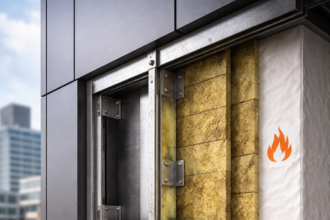
NFPA 285 evaluates the fire propagation characteristics of exterior wall assemblies, ensuring that the entire system, including insulation and air barriers, perform safely in a fire scenario. These standards directly impact material selection and design decisions. Choosing materials that meet these criteria is important for compliance and safety.
The challenge lies in navigating these complex requirements while maintaining design intent. Consultants must be adept at interpreting these standards to guide material choices that align with both code and project goals.
Section 3: Navigating Code Compliance
Navigating IBC 2021 section 1403.5 presents significant challenges for those working with metal cladding. This section mandates that exterior walls meet specific fire performance standards, necessitating rigorous testing and documentation. Local codes and amendments can further complicate compliance, as they may impose additional requirements.
Achieving compliance involves a detailed process, including selecting materials that pass standardized tests, such as ASTM E84 and NFPA 285 and compiling complete documentation. This documentation must demonstrate compliance with all applicable codes and standards, often requiring collaboration with testing laboratories and third-party certifiers. The role of consultants is to ensure this process is meticulously followed, reducing the risk of non-compliance and enhancing building safety.
Section 4: Case Studies of High-Profile Fire Incidents
The Grenfell Tower fire is a stark reminder of the risks associated with inadequate fire performance in cladding systems. This tragedy highlighted the role of cladding in fire spread and containment, prompting significant regulatory changes. Post-incident analyses revealed that the cladding material, specifically aluminum composite material (ACM) with a polyethylene core, contributed to the rapid spread of the fire.
Lessons learned from such incidents have driven changes in regulations, emphasizing the need for fire-resistant materials and assemblies. These events highlight the importance of adhering to fire performance standards and selecting materials that meet or exceed these requirements. Understanding past failures is important for preventing future tragedies.
Section 5: Evaluating Fire Safety in Design and Installation
Designing fire-safe cladding systems requires adherence to best practices and a focus on proper installation. The performance of a cladding system is only as strong as its weakest link, often found in improper installation or maintenance. UL 263, which relates to fire-resistive construction, is a critical reference for ensuring assemblies meet fire safety standards.
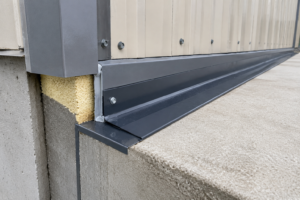
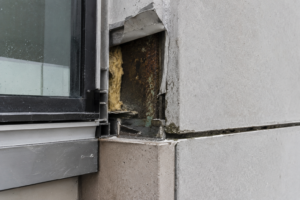
Consultants must ensure that all components of the cladding system, from materials to installation methods, comply with these standards. This includes ensuring that fire barriers and sealants are correctly installed to prevent fire spread through gaps or joints. Regular maintenance and inspections are also essential to maintain the integrity of the system over time.
A proactive approach to design and installation can significantly enhance fire safety.
Section 6: Innovations in Fire-Resistant Cladding Materials
Advancements in materials and technologies are enhancing the fire performance of metal cladding systems. New coatings and treatments are being developed to improve fire resistance, offering better protection without compromising aesthetics. Intumescent coatings, for instance, expand when exposed to heat, providing an insulating barrier that slows the spread of fire.
Recent studies have shown significant performance improvements with these innovations, providing data that supports their efficacy. These advancements allow for greater flexibility in design, enabling architects and consultants to achieve desired aesthetics while meeting stringent fire safety standards. Staying informed about these innovations is essential for consultants who aim to deliver projects that are both modern and compliant with safety regulations.
Section 7: The Role of Building Envelope Consultants
Building envelope consultants play a key role in ensuring fire safety compliance. They collaborate closely with architects, engineers and code officials to navigate the complex landscape of fire performance requirements. Tools and resources, such as software for modeling fire behavior and databases of compliant materials, are valuable for consultants.
By using these resources, consultants can provide expert guidance on material selection and system design. Their expertise is important for achieving code compliance and enhancing building safety, making them indispensable partners in the construction process. Regular training and staying updated on code revisions are key responsibilities for consultants committed to safety.
Closing Angle: Practical Recommendation
To stay ahead in the field, consultants must remain informed about code changes and emerging technologies. Proactive engagement with fire safety experts during the design phase can prevent costly compliance issues later. Continuous education and training in fire safety are important for maintaining expertise and ensuring that projects meet the highest safety standards.
By prioritizing fire performance in metal cladding systems, consultants can contribute to safer, more resilient buildings.