- The 2021 IBC Section 715 introduced stricter firestopping mandates that directly affect how rainscreen assemblies must be designed and installed.
- NFPA 285 compliance is critical for exterior wall assemblies and failures can result in rapid fire spread and catastrophic property damage.
- Selecting compatible firestopping materials and using precise installation techniques are essential steps to meeting and exceeding code requirements.
- Common pitfalls like incompatible materials and poor trade coordination can compromise fire barriers and lead to costly non-compliance issues.
- Rigorous testing under ASTM E2307 and strong collaboration among architects, engineers and contractors are key to achieving verified fire safety.
Firestopping in Rainscreen Assemblies: Best Practices and Compliance
Opening Angle:
The 2021 International Building Code (IBC) introduced significant updates in Section 715, placing a renewed emphasis on firestopping requirements for facade systems. This change has direct implications for rainscreen assemblies, which are integral to modern building envelopes. The updated code mandates enhanced firestopping strategies, addressing gaps that could compromise both compliance and safety.
For consultants, adapting to these changes isn’t optional; it’s urgent. Failure to comply can result in severe consequences, both legally and in terms of occupant safety. The industry must prioritize these updates to ensure that rainscreen systems not only meet but exceed safety standards.
Section 1: Understanding Rainscreen Assemblies
Rainscreen assemblies are a critical component of building envelopes, designed to manage moisture and enhance thermal performance. They consist of an outer cladding, a ventilated air cavity and a weather-resistant barrier (WRB). These elements work together to protect the building from water infiltration while allowing moisture to escape.
Rainscreens are important for maintaining the integrity of the building envelope, especially in climates with significant rainfall. Common materials used in rainscreen assemblies include metal panels, fiber cement boards and composite materials. Each material offers specific benefits and challenges, impacting the overall performance of the assembly.
For instance, metal panels provide durability and a sleek aesthetic but may require additional thermal insulation. Fiber cement boards offer excellent fire resistance but can be heavier, affecting structural load considerations. Understanding these components is important for designing systems that meet both aesthetic and functional requirements, ensuring longevity and performance in diverse environmental conditions.
Section 2: The Role of Firestopping in Rainscreens
Firestopping is essential in rainscreen assemblies, serving as a critical barrier to prevent the spread of fire through facade systems. Defined as a passive fire protection method, firestopping involves sealing openings and joints to maintain the integrity of fire-rated assemblies. In rainscreens, firestopping must integrate seamlessly with other components, ensuring that gaps do not compromise the system’s performance.
The impact of improper firestopping can be catastrophic, leading to rapid fire spread and significant property damage. Compliance with the NFPA 285 testing standard is important. This test evaluates the fire performance of exterior wall assemblies, ensuring that they can withstand fire exposure without failure.
For example, a project that failed to meet NFPA 285 experienced extensive damage when a fire breached the facade, highlighting the importance of rigorous firestopping measures. Proper firestopping not only meets code requirements but also enhances overall building safety by providing critical time for evacuation and emergency response.
Section 3: Recent Code Updates and Their Implications
The 2021 IBC, particularly Section 715, introduced stringent requirements for firestopping in facade systems. These updates reflect a growing awareness of the risks associated with inadequate fire protection in modern buildings. For rainscreen assemblies, the code now demands specific firestopping measures to prevent fire spread through cavities and openings.
These requirements include the use of approved materials and detailed installation methods, verified through testing. The challenges posed by these regulations are significant. Many existing systems may need retrofitting to comply, requiring careful planning and execution.
The new regulations also demand more rigorous documentation and inspection processes, increasing the complexity of compliance. For instance, projects now require detailed submittals and third-party inspections to verify adherence to firestopping requirements. However, these challenges present an opportunity to enhance safety and performance, ensuring that buildings are better equipped to handle fire events.
By embracing these updates, the industry can advance towards safer, more resilient building designs.
Section 4: Best Practices for Effective Firestopping
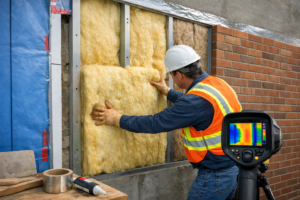
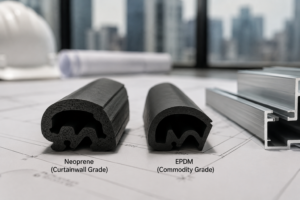
Selecting the right firestopping materials is important for compliance and performance. Materials must be compatible with the specific components of the rainscreen assembly, including the cladding and WRB. Installation techniques are equally important.
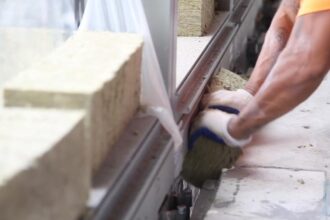
Proper sealing of joints and penetrations is essential to maintain fire resistance. Firestopping must also integrate with other envelope components, such as thermal and vapor barriers, without compromising their performance. A case study of a complex rainscreen project highlights these principles.
In this project, a complete approach to firestopping was implemented, using advanced materials and precise installation techniques. The team utilized intumescent sealants that expand under heat to fill gaps, ensuring strong fire resistance. The result was a system that not only met but exceeded code requirements, demonstrating the effectiveness of best practices in fire protection.
This project highlights the importance of selecting appropriate materials and employing skilled installers to achieve optimal firestopping performance.
Section 5: Common Pitfalls and How to Avoid Them
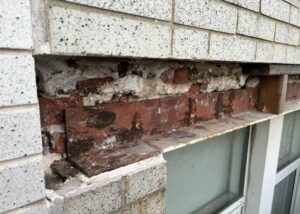
Typical mistakes in firestopping installation can lead to non-compliance and increased risk. These include using incompatible materials, poor sealing techniques and inadequate documentation. The consequences of such errors are severe, potentially leading to fire spread and structural failure.
To avoid these pitfalls, adherence to best practices is essential. This includes thorough planning, skilled installation and regular inspections. Insights from field inspections reveal that many issues stem from a lack of coordination among trades, emphasizing the need for clear communication and oversight.
For example, a project where the firestopping was installed before the mechanical penetrations resulted in gaps that compromised the fire barrier. By addressing these challenges proactively, compliance and safety can be significantly enhanced. Regular training sessions and collaborative planning meetings can help ensure that all parties are aligned, reducing the risk of errors and enhancing overall project success.
Section 6: Testing and Verification
Testing firestopping systems is a critical step in ensuring compliance and performance. Standards such as ASTM E2307 provide a framework for evaluating the fire resistance of perimeter fire barrier systems. These tests simulate real-world conditions, verifying that systems can withstand fire exposure without failure.
Verification in the field involves thorough inspection and documentation, ensuring that installations meet code requirements. Regular testing and verification not only confirm compliance but also provide valuable insights into system performance, guiding future improvements in fire protection. For example, a project that underwent rigorous testing discovered weaknesses in certain sealants, leading to adjustments that improved overall fire resistance.
By committing to continuous testing and verification, building professionals can ensure that their systems are both compliant and effective in real-world scenarios.
Section 7: Collaboration and Communication
Collaboration among architects, engineers and contractors is essential for effective firestopping in rainscreen assemblies. Clear communication ensures that all parties understand the requirements and expectations for compliance. Effective strategies include regular meetings, detailed documentation and coordinated planning.
Successful projects often involve a team approach, where each party contributes their expertise to achieve the desired outcome. Case examples highlight the benefits of such collaboration, demonstrating how coordinated efforts lead to systems that meet both aesthetic and functional goals while ensuring safety and compliance. In one project, early collaboration allowed for the integration of firestopping solutions into the design phase, resulting in a more efficient construction process and enhanced fire safety.
By building a collaborative environment, teams can overcome challenges and deliver projects that meet rigorous safety standards.
Closing Angle:
Ongoing education and training are important for building envelope consultants to stay current with evolving codes and technologies. Proactive engagement with industry standards enhances safety and compliance in rainscreen assemblies. By investing in continuous learning, professionals can ensure that their projects meet the highest standards of fire protection, safeguarding both property and lives.