The Role of Air Barriers in Achieving Superior Thermal Performance
Introduction: The Importance of Air Barriers
In the quest for energy efficiency and sustainability, the building envelope plays a pivotal role. Among its components, air barriers are critical in enhancing thermal performance. By controlling air leakage, air barriers contribute significantly to reducing energy consumption, improving indoor comfort, and ensuring the longevity of building materials. This article delves into the essential role of air barriers, exploring their application, testing, and compliance with building codes.
Understanding Air Barriers: Function and Benefits
Air barriers are systems designed to control the unintended movement of air into and out of a building. Unlike vapor barriers, which control moisture diffusion, air barriers prevent air leakage, which can carry moisture and compromise insulation effectiveness. The primary benefits of air barriers include:
1. Energy Efficiency: By minimizing air leakage, air barriers reduce the demand on heating and cooling systems, leading to lower energy bills and reduced carbon footprints.
2. Moisture Control: Air barriers help prevent moisture-laden air from penetrating the building envelope, reducing the risk of mold growth and material degradation.
3. Enhanced Comfort: Consistent indoor temperatures and reduced drafts contribute to occupant comfort.
4. Durability: Protecting the building envelope from moisture ingress extends the lifespan of building materials.
Types of Air Barriers: Materials and Systems
Air barriers can be categorized into several types based on their materials and installation methods:
1. Sheet Membranes: These are typically made from polyethylene or other synthetic materials and are applied in large sheets. They are often used in commercial construction due to their durability and ease of installation.
2. Fluid-Applied Membranes: Applied as a liquid, these membranes form a continuous barrier upon curing. They are ideal for complex geometries and provide seamless coverage.
3. Self-Adhered Membranes: These are pre-fabricated sheets with adhesive backing, offering ease of installation and reliable performance.
4. Spray Foam: While primarily used for insulation, closed-cell spray foam can also serve as an effective air barrier due to its density and adhesion properties.
Application and Installation: Key Considerations
Proper installation of air barriers is crucial for their effectiveness. Here are some practical considerations:
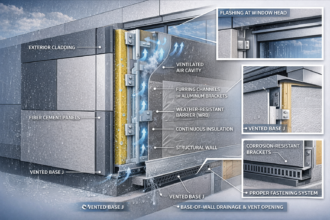
1. Continuity: Ensure that the air barrier is continuous across the entire building envelope. This includes careful detailing around penetrations, such as windows, doors, and service entries.
2. Compatibility: Choose materials that are compatible with other components of the building envelope to prevent chemical reactions or physical incompatibilities.
3. Quality Control: Implement rigorous quality control measures during installation to detect and rectify any breaches or defects in the air barrier.
4. Training and Expertise: Skilled labor is essential for the proper installation of air barriers. Invest in training programs to ensure that installers understand the nuances of different systems.
Testing and Verification: Ensuring Performance
Testing is a critical component in verifying the performance of air barriers. Common methods include:
1. Blower Door Tests: These tests measure the air tightness of a building by creating a pressure difference and quantifying air leakage rates.
2. Infrared Thermography: This technique identifies areas of air leakage by detecting temperature differentials on the building surface.
3. Smoke Testing: Visual inspection using smoke can help identify leaks in the air barrier system.
Regular testing during and after construction ensures that the air barrier performs as intended and meets the specified standards.
Code Compliance: Navigating Standards and Regulations
Building codes and standards play a significant role in the design and implementation of air barriers. Key considerations include:
1. ASHRAE Standards: ASHRAE 90.1 and 189.1 provide guidelines on energy efficiency and sustainability, emphasizing the importance of air barriers in reducing air leakage.
2. International Building Code (IBC): The IBC outlines requirements for air barrier systems, including material specifications and performance criteria.
3. Local Regulations: Be aware of local building codes, which may have specific requirements for air barrier systems based on climate and environmental considerations.
Compliance with these codes not only ensures legal adherence but also enhances the building’s overall performance and sustainability.
Common Pitfalls: Avoiding Mistakes in Air Barrier Implementation
Despite their benefits, air barriers can fall short if not properly implemented. Common pitfalls include:
1. Inadequate Detailing: Overlooking details around penetrations and transitions can lead to significant air leakage.
2. Material Incompatibility: Using incompatible materials can result in failure of the air barrier system.
3. Poor Installation: Lack of skilled labor or inadequate supervision can compromise the integrity of the air barrier.
4. Neglecting Maintenance: Regular inspections and maintenance are essential to ensure long-term performance.
Conclusion: Key Takeaways for Achieving Superior Thermal Performance
Air barriers are indispensable in achieving superior thermal performance in modern buildings. By effectively controlling air leakage, they enhance energy efficiency, occupant comfort, and building durability. Successful implementation requires careful selection of materials, meticulous installation, and adherence to testing and code requirements. By avoiding common pitfalls and embracing best practices, architects, facade engineers, and contractors can harness the full potential of air barriers, contributing to the creation of sustainable and high-performing buildings.
The Role of Air Barriers in Achieving Superior Thermal Performance
Introduction: The Importance of Air Barriers
In the pursuit of energy efficiency and sustainability, the building envelope is fundamental. Among its critical components, air barriers play a vital role in enhancing thermal performance. By effectively controlling air leakage, air barriers significantly reduce energy consumption, improve indoor comfort, and enhance the longevity of building materials. This article examines the essential role of air barriers, covering their applications, testing methods, and compliance with building codes.
Understanding Air Barriers: Function and Benefits
Air barriers are systems specifically designed to regulate the unintended movement of air into and out of a building. Unlike vapor barriers, which manage moisture diffusion, air barriers prevent air leakage that can carry moisture and diminish insulation effectiveness. The primary benefits of air barriers include:
1. Energy Efficiency: Minimizing air leakage reduces the burden on heating and cooling systems, leading to lower energy expenses and a reduced carbon footprint.
2. Moisture Control: Air barriers prevent moisture-laden air from infiltrating the building envelope, thereby reducing the risk of mold growth and material degradation.
3. Enhanced Comfort: By stabilizing indoor temperatures and diminishing drafts, air barriers contribute to occupant comfort.
4. Durability: Shielding the building envelope from moisture ingress prolongs the lifespan of building materials.
Types of Air Barriers: Materials and Systems
Air barriers can be classified into several types based on their materials and installation methods:
1. Sheet Membranes: Typically constructed from polyethylene or other synthetic materials, these are applied in large sheets and are prevalent in commercial construction due to their durability and straightforward installation.
2. Fluid-Applied Membranes: Applied in liquid form, these membranes cure to form a continuous barrier, making them ideal for complex geometries and ensuring seamless coverage.
3. Self-Adhered Membranes: These pre-fabricated sheets feature an adhesive backing, facilitating easy installation and reliable performance.
4. Spray Foam: Primarily used for insulation, closed-cell spray foam also serves as an effective air barrier due to its density and adhesion properties.
Application and Installation: Key Considerations
The proper installation of air barriers is crucial for their effectiveness. Key considerations include:
1. Continuity: Ensure that the air barrier is continuous throughout the entire building envelope. This includes paying meticulous attention to details around penetrations such as windows, doors, and service entries.
2. Compatibility: Select materials that are compatible with other building envelope components to avoid chemical reactions or physical incompatibilities.
3. Quality Control: Implement stringent quality control measures during installation to identify and rectify any breaches or defects in the air barrier.
4. Training and Expertise: Skilled labor is essential for the effective installation of air barriers. Invest in training programs to ensure installers understand the nuances of various systems.
Testing and Verification: Ensuring Performance
Testing is a critical aspect of verifying the performance of air barriers. Common methods include:
1. Blower Door Tests: These tests assess the air tightness of a building by creating a pressure difference and quantifying air leakage rates.
2. Infrared Thermography: This technique detects areas of air leakage by identifying temperature differentials on the building surface.
3. Smoke Testing: Visual inspection with smoke can help pinpoint leaks in the air barrier system.
Regular testing during and after construction is crucial to ensure that the air barrier performs as intended and meets specified standards.
Code Compliance: Navigating Standards and Regulations
Building codes and standards are pivotal in designing and implementing air barriers. Important considerations include:
1. ASHRAE Standards: ASHRAE 90.1 and 189.1 provide guidelines for energy efficiency and sustainability, underscoring the importance of air barriers in minimizing air leakage.
2. International Building Code (IBC): The IBC specifies requirements for air barrier systems, including material specifications and performance criteria.
3. Local Regulations: Be mindful of local building codes that may impose specific requirements for air barrier systems based on climate and environmental conditions.
Compliance with these codes not only ensures legal adherence but also enhances the overall performance and sustainability of the building.
Common Pitfalls: Avoiding Mistakes in Air Barrier Implementation
Despite their significant advantages, air barriers can underperform if not implemented correctly. Common pitfalls include:
1. Inadequate Detailing: Neglecting details around penetrations and transitions can result in substantial air leakage.
2. Material Incompatibility: Using incompatible materials may compromise the integrity of the air barrier system.
3. Poor Installation: Inadequate supervision and lack of skilled labor can weaken the effectiveness of the air barrier.
4. Neglecting Maintenance: Regular inspections and maintenance are essential for ensuring long-term performance.
Conclusion: Key Takeaways for Achieving Superior Thermal Performance
Air barriers are indispensable in attaining superior thermal performance in contemporary buildings. By effectively managing air leakage, they bolster energy efficiency, occupant comfort, and material durability. Successful implementation necessitates careful selection of materials, meticulous installation, and adherence to testing and code requirements. By steering clear of common pitfalls and embracing best practices, architects, facade engineers, and contractors can leverage the full potential of air barriers, ultimately fostering the creation of sustainable and high-performing buildings.
The Role of Air Barriers in Achieving Superior Thermal Performance
Introduction: The Importance of Air Barriers
In the pursuit of energy efficiency and sustainability, the building envelope is fundamental. Among its critical components, air barriers play a vital role in enhancing thermal performance. By effectively controlling air leakage, air barriers significantly reduce energy consumption, improve indoor comfort, and extend the longevity of building materials. This article examines the essential role of air barriers, covering their applications, testing methods, and compliance with building codes.
Understanding Air Barriers: Function and Benefits
Air barriers are systems specifically designed to regulate the unintended movement of air into and out of a building. Unlike vapor barriers, which manage moisture diffusion, air barriers prevent air leakage that can carry moisture and diminish insulation effectiveness. The primary benefits of air barriers include:
1. Energy Efficiency: Minimizing air leakage reduces the burden on heating and cooling systems, leading to lower energy expenses and a reduced carbon footprint.
2. Moisture Control: Air barriers prevent moisture-laden air from infiltrating the building envelope, thereby reducing the risk of mold growth and material degradation.
3. Enhanced Comfort: By stabilizing indoor temperatures and diminishing drafts, air barriers contribute to occupant comfort.
4. Durability: Shielding the building envelope from moisture ingress prolongs the lifespan of building materials.
Types of Air Barriers: Materials and Systems
Air barriers can be classified into several types based on their materials and installation methods:
1. Sheet Membranes: Typically constructed from polyethylene or other synthetic materials, these are applied in large sheets and are prevalent in commercial construction due to their durability and straightforward installation.
2. Fluid-Applied Membranes: Applied in liquid form, these membranes cure to form a continuous barrier, making them ideal for complex geometries and ensuring seamless coverage.
3. Self-Adhered Membranes: These pre-fabricated sheets feature an adhesive backing, facilitating easy installation and reliable performance.
4. Spray Foam: Primarily used for insulation, closed-cell spray foam can also serve effectively as an air barrier due to its density and adhesion properties.
Application and Installation: Key Considerations
The proper installation of air barriers is crucial for their effectiveness. Key considerations include:
1. Continuity: Ensure that the air barrier is continuous throughout the entire building envelope. This includes paying meticulous attention to detail around penetrations such as windows, doors, and service entries.
2. Compatibility: Select materials that are compatible with other building envelope components to avoid chemical reactions or physical incompatibilities.
3. Quality Control: Implement stringent quality control measures during installation to identify and rectify any breaches or defects in the air barrier.
4. Training and Expertise: Skilled labor is essential for the effective installation of air barriers. Investing in training programs ensures that installers understand the nuances of various systems.
Testing and Verification: Ensuring Performance
Testing is a critical aspect of verifying the performance of air barriers. Common methods include:
1. Blower Door Tests: These tests assess the air tightness of a building by creating a pressure difference and quantifying air leakage rates.
2. Infrared Thermography: This technique detects areas of air leakage by identifying temperature differentials on the building surface.
3. Smoke Testing: Visual inspection using smoke can help pinpoint leaks in the air barrier system.
Regular testing during and after construction is crucial to ensure that the air barrier performs as intended and meets specified standards.
Code Compliance: Navigating Standards and Regulations
Building codes and standards are pivotal in designing and implementing air barriers. Important considerations include:
1. ASHRAE Standards: ASHRAE 90.1 and 189.1 provide guidelines for energy efficiency and sustainability, underscoring the importance of air barriers in minimizing air leakage.
2. International Building Code (IBC): The IBC specifies requirements for air barrier systems, including material specifications and performance criteria.
3. Local Regulations: Be mindful of local building codes that may impose specific requirements for air barrier systems based on climate and environmental conditions.
Compliance with these codes not only ensures legal adherence but also enhances the overall performance and sustainability of the building.
Common Pitfalls: Avoiding Mistakes in Air Barrier Implementation
Despite their significant advantages, air barriers can underperform if not implemented correctly. Common pitfalls include:
1. Inadequate Detailing: Neglecting details around penetrations and transitions can result in substantial air leakage.
2. Material Incompatibility: Using incompatible materials may compromise the integrity of the air barrier system.
3. Poor Installation: Lack of skilled labor or inadequate supervision can undermine the effectiveness of the air barrier.
4. Neglecting Maintenance: Regular inspections and maintenance are essential to ensure long-term performance.
Conclusion: Key Takeaways for Achieving Superior Thermal Performance
Air barriers are indispensable in achieving superior thermal performance in modern buildings. By effectively controlling air leakage, they enhance energy efficiency, occupant comfort, and building durability. Successful implementation requires careful selection of materials, meticulous installation, and adherence to testing and code requirements. By avoiding common pitfalls and embracing best practices, architects, facade engineers, and contractors can harness the full potential of air barriers, contributing to the creation of sustainable and high-performing buildings.
The Role of Air Barriers in Achieving Superior Thermal Performance
Introduction: The Importance of Air Barriers
In the pursuit of energy efficiency and sustainability, the building envelope is fundamental. Among its critical components, air barriers play a vital role in enhancing thermal performance. By effectively controlling air leakage, air barriers significantly reduce energy consumption, improve indoor comfort, and extend the longevity of building materials. This article examines the essential role of air barriers, covering their applications, testing methods, and compliance with building codes.
Understanding Air Barriers: Function and Benefits
Air barriers are systems specifically designed to regulate the unintended movement of air into and out of a building. Unlike vapor barriers, which manage moisture diffusion, air barriers prevent air leakage that can carry moisture and diminish insulation effectiveness. The primary benefits of air barriers include:
1. Energy Efficiency: Minimizing air leakage reduces the burden on heating and cooling systems, leading to lower energy expenses and a reduced carbon footprint.
2. Moisture Control: Air barriers prevent moisture-laden air from infiltrating the building envelope, thereby reducing the risk of mold growth and material degradation.
3. Enhanced Comfort: By stabilizing indoor temperatures and diminishing drafts, air barriers contribute to occupant comfort.
4. Durability: Shielding the building envelope from moisture ingress prolongs the lifespan of building materials.
Types of Air Barriers: Materials and Systems
Air barriers can be classified into several types based on their materials and installation methods:
1. Sheet Membranes: Typically constructed from polyethylene or other synthetic materials, these are applied in large sheets and are prevalent in commercial construction due to their durability and straightforward installation.
2. Fluid-Applied Membranes: Applied in liquid form, these membranes cure to form a continuous barrier, making them ideal for complex geometries and ensuring seamless coverage.
3. Self-Adhered Membranes: These pre-fabricated sheets feature an adhesive backing, facilitating easy installation and reliable performance.
4. Spray Foam: Primarily used for insulation, closed-cell spray foam can also effectively serve as an air barrier due to its density and adhesion properties.
Application and Installation: Key Considerations
Proper installation of air barriers is crucial for their effectiveness. Key considerations include:
1. Continuity: Ensure that the air barrier is continuous throughout the entire building envelope. This includes paying meticulous attention to detail around penetrations such as windows, doors, and service entries.
2. Compatibility: Select materials that are compatible with other building envelope components to avoid chemical reactions or physical incompatibilities.
3. Quality Control: Implement stringent quality control measures during installation to identify and rectify any breaches or defects in the air barrier.
4. Training and Expertise: Skilled labor is essential for the effective installation of air barriers. Investing in training programs ensures that installers understand the nuances of various systems.
Testing and Verification: Ensuring Performance
Testing is a critical aspect of verifying the performance of air barriers. Common methods include:
1. Blower Door Tests: These tests assess the air tightness of a building by creating a pressure difference and quantifying air leakage rates.
2. Infrared Thermography: This technique detects areas of air leakage by identifying temperature differentials on the building surface.
3. Smoke Testing: Visual inspection with smoke can help pinpoint leaks in the air barrier system.
Regular testing during and after construction is crucial to ensure that the air barrier performs as intended and meets specified standards.
Code Compliance: Navigating Standards and Regulations
Building codes and standards are pivotal in designing and implementing air barriers. Important considerations include:
1. ASHRAE Standards: ASHRAE 90.1 and 189.1 provide guidelines for energy efficiency and sustainability, underscoring the importance of air barriers in minimizing air leakage.
2. International Building Code (IBC): The IBC specifies requirements for air barrier systems, including material specifications and performance criteria.
3. Local Regulations: Be mindful of local building codes that may impose specific requirements for air barrier systems based on climate and environmental conditions.
Compliance with these codes not only ensures legal adherence but also enhances the overall performance and sustainability of the building.
Common Pitfalls: Avoiding Mistakes in Air Barrier Implementation
Despite their significant advantages, air barriers can underperform if not implemented correctly. Common pitfalls include:
1. Inadequate Detailing: Neglecting details around penetrations and transitions can result in substantial air leakage.
2. Material Incompatibility: Using incompatible materials may compromise the integrity of the air barrier system.
3. Poor Installation: Inadequate supervision and lack of skilled labor can weaken the effectiveness of the air barrier.
4. Neglecting Maintenance: Regular inspections and maintenance are essential for ensuring long-term performance.
Conclusion: Key Takeaways for Achieving Superior Thermal Performance
Air barriers are indispensable in attaining superior thermal performance in contemporary buildings. By effectively managing air leakage, they bolster energy efficiency, occupant comfort, and material durability. Successful implementation necessitates careful selection of materials, meticulous installation, and adherence to testing and code requirements. By steering clear of common pitfalls and embracing best practices, architects, facade engineers, and contractors can leverage the full potential of air barriers, ultimately fostering the creation of sustainable and high-performing buildings.
The Role of Air Barriers in Achieving Superior Thermal Performance
Introduction: The Importance of Air Barriers
In the pursuit of energy efficiency and sustainability, the building envelope is fundamental. Among its critical components, air barriers play a vital role in enhancing thermal performance. By effectively controlling air leakage, air barriers significantly reduce energy consumption, improve indoor comfort, and extend the longevity of building materials. This article examines the essential role of air barriers, covering their applications, testing methods, and compliance with building codes.
Understanding Air Barriers: Function and Benefits
Air barriers are systems specifically designed to regulate the unintended movement of air into and out of a building. Unlike vapor barriers, which manage moisture diffusion, air barriers prevent air leakage that can carry moisture and diminish insulation effectiveness. The primary benefits of air barriers include:
1. Energy Efficiency: Minimizing air leakage reduces the burden on heating and cooling systems, leading to lower energy expenses and a reduced carbon footprint.
2. Moisture Control: Air barriers prevent moisture-laden air from infiltrating the building envelope, thereby reducing the risk of mold growth and material degradation.
3. Enhanced Comfort: By stabilizing indoor temperatures and diminishing drafts, air barriers contribute to occupant comfort.
4. Durability: Shielding the building envelope from moisture ingress prolongs the lifespan of building materials.
Types of Air Barriers: Materials and Systems
Air barriers can be classified into several types based on their materials and installation methods:
1. Sheet Membranes: Typically constructed from polyethylene or other synthetic materials, these are applied in large sheets and are prevalent in commercial construction due to their durability and straightforward installation.
2. Fluid-Applied Membranes: Applied in liquid form, these membranes cure to form a continuous barrier, making them ideal for complex geometries and ensuring seamless coverage.
3. Self-Adhered Membranes: These pre-fabricated sheets feature an adhesive backing, facilitating easy installation and reliable performance.
4. Spray Foam: Primarily used for insulation, closed-cell spray foam can also effectively serve as an air barrier due to its density and adhesion properties.
Application and Installation: Key Considerations
Proper installation of air barriers is crucial for their effectiveness. Key considerations include:
1. Continuity: Ensure that the air barrier is continuous throughout the entire building envelope. This includes paying meticulous attention to detail around penetrations such as windows, doors, and service entries.
2. Compatibility: Select materials that are compatible with other building envelope components to avoid chemical reactions or physical incompatibilities.
3. Quality Control: Implement stringent quality control measures during installation to identify and rectify any breaches or defects in the air barrier.
4. Training and Expertise: Skilled labor is essential for the effective installation of air barriers. Investing in training programs ensures that installers understand the nuances of various systems.
Testing and Verification: Ensuring Performance
Testing is a critical aspect of verifying the performance of air barriers. Common methods include:
1. Blower Door Tests: These tests assess the air tightness of a building by creating a pressure difference and quantifying air leakage rates.
2. Infrared Thermography: This technique detects areas of air leakage by identifying temperature differentials on the building surface.
3. Smoke Testing: Visual inspection using smoke can help pinpoint leaks in the air barrier system.
Regular testing during and after construction is crucial to ensure that the air barrier performs as intended and meets specified standards.
Code Compliance: Navigating Standards and Regulations
Building codes and standards are pivotal in designing and implementing air barriers. Important considerations include:
1. ASHRAE Standards: ASHRAE 90.1 and 189.1 provide guidelines for energy efficiency and sustainability, underscoring the importance of air barriers in minimizing air leakage.
2. International Building Code (IBC): The IBC specifies requirements for air barrier systems, including material specifications and performance criteria.
3. Local Regulations: Be mindful of local building codes that may impose specific requirements for air barrier systems based on climate and environmental conditions.
Compliance with these codes not only ensures legal adherence but also enhances the overall performance and sustainability of the building.
Common Pitfalls: Avoiding Mistakes in Air Barrier Implementation
Despite their significant advantages, air barriers can underperform if not implemented correctly. Common pitfalls include:
1. Inadequate Detailing: Neglecting details around penetrations and transitions can result in substantial air leakage.
2. Material Incompatibility: Using incompatible materials may compromise the integrity of the air barrier system.
3. Poor Installation: Lack of skilled labor or inadequate supervision can undermine the effectiveness of the air barrier.
4. Neglecting Maintenance: Regular inspections and maintenance are essential to ensure long-term performance.
Conclusion: Key Takeaways for Achieving Superior Thermal Performance
Air barriers are indispensable in attaining superior thermal performance in contemporary buildings. By effectively managing air leakage, they bolster energy efficiency, occupant comfort, and material durability. Successful implementation necessitates careful selection of materials, meticulous installation, and adherence to testing and code requirements. By steering clear of common pitfalls and embracing best practices, architects, facade engineers, and contractors can leverage the full potential of air barriers, ultimately fostering the creation of sustainable and high-performing buildings.
The Role of Air Barriers in Achieving Superior Thermal Performance
Introduction: The Importance of Air Barriers
In the pursuit of energy efficiency and sustainability, the building envelope is fundamental. Among its critical components, air barriers play a vital role in enhancing thermal performance. By effectively controlling air leakage, air barriers significantly reduce energy consumption, improve indoor comfort, and extend the longevity of building materials. This article examines the essential role of air barriers, covering their applications, testing methods, and compliance with building codes.
Understanding Air Barriers: Function and Benefits
The Role of Air Barriers in Achieving Superior Thermal Performance
Air barriers are systems specifically designed to regulate the unintended movement of air into and out of a building. Unlike vapor barriers, which manage moisture diffusion, air barriers prevent air leakage that can carry moisture and diminish insulation effectiveness. The primary benefits of air barriers include:
Introduction: The Importance of Air Barriers
1. Energy Efficiency: Minimizing air leakage reduces the burden on heating and cooling systems, leading to lower energy expenses and a reduced carbon footprint.
In the pursuit of energy efficiency and sustainability, the building envelope plays a fundamental role. Among its critical components, air barriers significantly enhance thermal performance. By effectively controlling air leakage, air barriers help reduce energy consumption, improve indoor comfort, and extend the lifespan of building materials. This article examines the essential role of air barriers, exploring their applications, testing methods, and compliance with building codes.
Understanding Air Barriers: Function and Benefits
2. Moisture Control: Air barriers prevent moisture-laden air from infiltrating the building envelope, thereby reducing the risk of mold growth and material degradation.
Air barriers are systems specifically designed to regulate the unintentional movement of air into and out of a building. Unlike vapor barriers, which manage moisture diffusion, air barriers prevent air leakage that can carry moisture and undermine insulation effectiveness. The primary benefits of air barriers include:
3. Enhanced Comfort: By stabilizing indoor temperatures and diminishing drafts, air barriers contribute to occupant comfort.
1. Energy Efficiency: By minimizing air leakage, air barriers reduce the burden on heating and cooling systems, resulting in lower energy expenses and a smaller carbon footprint.
4. Durability: Shielding the building envelope from moisture ingress prolongs the lifespan of building materials.
2. Moisture Control: Air barriers prevent moisture-laden air from infiltrating the building envelope, reducing the risk of mold growth and material degradation.
Types of Air Barriers: Materials and Systems
3. Enhanced Comfort: Stabilizing indoor temperatures and diminishing drafts contribute to improved occupant comfort.
4. Durability: Protecting the building envelope from moisture ingress prolongs the lifespan of building materials.
Air barriers can be classified into several types based on their materials and installation methods:
Types of Air Barriers: Materials and Systems
1. Sheet Membranes: Typically constructed from polyethylene or other synthetic materials, these are applied in large sheets and are prevalent in commercial construction due to their durability and straightforward installation.
Air barriers can be categorized based on their materials and installation methods:
2. Fluid-Applied Membranes: Applied in liquid form, these membranes cure to form a continuous barrier, making them ideal for complex geometries and ensuring seamless coverage.
3. Self-Adhered Membranes: These pre-fabricated sheets feature an adhesive backing, facilitating easy installation and reliable performance.
1. Sheet Membranes: Typically made from polyethylene or other synthetic materials, these systems are applied in large sheets and are common in commercial construction due to their durability and ease of installation.
4. Spray Foam: Primarily used for insulation, closed-cell spray foam can also effectively serve as an air barrier due to its density and adhesion properties.
2. Fluid-Applied Membranes: These membranes are applied as liquids that cure to form a continuous barrier, making them ideal for complex geometries and ensuring seamless coverage.
Application and Installation: Key Considerations
3. Self-Adhered Membranes: Pre-fabricated sheets with adhesive backing simplify installation and offer reliable performance.
Proper installation of air barriers is crucial for their effectiveness. Key considerations include:
4. Spray Foam: While primarily used for insulation, closed-cell spray foam also serves effectively as an air barrier due to its density and adhesion properties.
1. Continuity: Ensure that the air barrier is continuous throughout the entire building envelope, with particular attention to penetrations like windows, doors, and service entries.
Application and Installation: Key Considerations
2. Compatibility: Select materials that are compatible with other building envelope components to avoid chemical reactions or physical incompatibilities.
The effectiveness of air barriers hinges on proper installation. Key considerations include:
3. Quality Control: Implement stringent quality control measures during installation to identify and rectify any breaches or defects in the air barrier.
1. Continuity: Ensure that the air barrier remains continuous throughout the entire building envelope, with careful detailing around penetrations such as windows, doors, and service entries.
4. Training and Expertise: Skilled labor is essential for the effective installation of air barriers. Investing in training programs ensures that installers understand the nuances of various systems.
2. Compatibility: Select materials that are compatible with other building envelope components to avoid chemical reactions or physical incompatibilities.
Testing and Verification: Ensuring Performance
3. Quality Control: Implement rigorous quality control measures during installation to identify and rectify any breaches or defects in the air barrier.
Testing is a critical aspect of verifying the performance of air barriers. Common methods include:
4. Training and Expertise: Skilled labor is essential for effective air barrier installation. Investing in training programs ensures that installers understand the nuances of the various systems.
1. Blower Door Tests: These tests assess the air tightness of a building by creating a pressure difference and quantifying air leakage rates.
2. Infrared Thermography: This technique detects areas of air leakage by identifying temperature differentials on the building surface.
3. Smoke Testing: Visual inspection using smoke can help pinpoint leaks in the air barrier system.
Testing and Verification: Ensuring Performance
Regular testing during and after construction is crucial to ensure that the air barrier performs as intended and meets specified standards.
Testing is crucial for verifying the performance of air barriers. Common methods include:
Code Compliance: Navigating Standards and Regulations
1. Blower Door Tests: These assess the air tightness of a building by creating a pressure difference and quantifying air leakage rates.
Building codes and standards are pivotal in designing and implementing air barriers. Important considerations include:
2. Infrared Thermography: This technique identifies areas of air leakage by detecting temperature differentials on the building surface.
3. Smoke Testing: Visual inspection using smoke can help pinpoint leaks in the air barrier system.
1. ASHRAE Standards: ASHRAE 90.1 and 189.1 provide guidelines for energy efficiency and sustainability, emphasizing the importance of air barriers in minimizing air leakage.
Regular testing during and after construction is essential to ensure that the air barrier performs as intended and meets specified standards.
2. International Building Code (IBC): The IBC specifies requirements for air barrier systems, including material specifications and performance criteria.
Code Compliance: Navigating Standards and Regulations
3. Local Regulations: Professionals should stay informed about local building codes that may impose specific requirements for air barrier systems based on climate and environmental conditions.
Building codes and standards play a pivotal role in the design and implementation of air barriers. Important considerations include:
Compliance with these codes not only ensures legal adherence but also enhances the overall performance and sustainability of the building.
1. ASHRAE Standards: ASHRAE 90.1 and 189.1 provide guidelines for energy efficiency and sustainability, emphasizing the importance of air barriers in minimizing air leakage.
Common Pitfalls: Avoiding Mistakes in Air Barrier Implementation
2. International Building Code (IBC): The IBC outlines requirements for air barrier systems, including material specifications and performance criteria.
3. Local Regulations: Be mindful of local building codes that may impose specific requirements for air barrier systems based on climate and environmental conditions.
Despite their significant advantages, air barriers can underperform if not implemented correctly. Common pitfalls include:
Compliance with these codes ensures legal adherence and enhances the overall performance and sustainability of the building.
1. Inadequate Detailing: Neglecting details around penetrations and transitions can result in substantial air leakage.
Common Pitfalls: Avoiding Mistakes in Air Barrier Implementation
2. Material Incompatibility: Using incompatible materials may compromise the integrity of the air barrier system.
Despite their advantages, air barriers can underperform if not implemented correctly. Common pitfalls include:
1. Inadequate Detailing: Overlooking details around penetrations and transitions can lead to significant air leakage.
3. Poor Installation: Lack of skilled labor or inadequate supervision can undermine the effectiveness of the air barrier.
4. Neglecting Maintenance: Regular inspections and maintenance are essential for ensuring long-term performance.
2. Material Incompatibility: Using incompatible materials may compromise the integrity of the air barrier system.
Conclusion: Key Takeaways for Achieving Superior Thermal Performance
3. Poor Installation: Inadequate supervision and lack of skilled labor can weaken the air barrier’s effectiveness.
4. Neglecting Maintenance: Regular inspections and maintenance are essential to ensure long-term performance.
Conclusion: Key Takeaways for Achieving Superior Thermal Performance
Air barriers are indispensable in attaining superior thermal performance in contemporary buildings. By effectively managing air leakage, they bolster energy efficiency, occupant comfort, and material durability. Successful implementation necessitates careful selection of materials, meticulous installation, and adherence to testing and code requirements. By steering clear of common pitfalls and embracing best practices, architects, facade engineers, and contractors can leverage the full potential of air barriers, ultimately fostering the creation of sustainable and high-performing buildings.
Air barriers are indispensable for achieving superior thermal performance in modern buildings. By effectively managing air leakage, they enhance energy efficiency, occupant comfort, and material durability. Successful implementation requires careful selection of materials, meticulous installation, and adherence to testing and code requirements. By avoiding common pitfalls and embracing best practices, architects, facade engineers, and contractors can fully leverage the potential of air barriers, ultimately promoting the creation of sustainable and high-performing buildings.