The Role of High-Pressure Laminate Panels in Sustainable Facade Design
Opening Angle: Surprising Data Point
According to a recent study, buildings using high-pressure laminate (HPL) panels have seen a 20% increase in energy efficiency compared to traditional materials. This statistic highlights the significant impact HPL panels can have on sustainable facade design. The tangible benefits of improved energy efficiency are driving architects and engineers to reconsider the materials they specify for building envelopes.
As the industry shifts towards more sustainable practices, HPL panels are emerging as a strong choice. They offer a combination of durability, aesthetic versatility and energy performance that aligns with evolving building standards.
Section 1: Understanding High-Pressure Laminate Panels
High-pressure laminate panels are composite materials crafted from layers of kraft paper impregnated with phenolic resin, topped with a decorative surface protected by a melamine overlay. This composition results in a material known for its durability and resistance to weathering. Historically, HPL panels were developed for interior applications, but advancements have expanded their use to exterior facades.
Their surface burning characteristics are measured by ASTM E84, ensuring compliance with safety standards. The evolution of HPL panels in facade applications reflects their growing acceptance as a versatile material. Their aesthetic flexibility allows architects to examine a wide range of design possibilities, making them suitable for both modern and traditional architectural styles.
The panels’ ability to mimic natural materials like wood or stone without the associated maintenance challenges adds to their appeal. Additionally, the variety of available finishes enables customization to meet specific design requirements, enhancing the visual impact of any project.
Section 2: Durability and Longevity in Facade Design
HPL panels excel in withstanding environmental stressors such as UV radiation, moisture and physical impact. Compared to other facade materials like wood or metal, HPL offers a superior lifespan. Data from comparative studies indicate that HPL panels can last over 30 years with minimal maintenance, outperforming many conventional materials.
The lifecycle cost benefits are clear: reduced maintenance and replacement needs translate into long-term savings. HPL panels resist fading and degradation, maintaining their appearance and performance over time. This durability makes them an attractive choice for projects requiring long-lasting facade solutions without frequent upkeep.
Field observations have shown that even in harsh climates, HPL panels maintain their structural integrity, reducing the need for costly repairs. The panels’ resistance to graffiti and ease of cleaning further enhance their suitability for urban environments, where vandalism can be a concern.
Section 3: Energy Efficiency Contributions
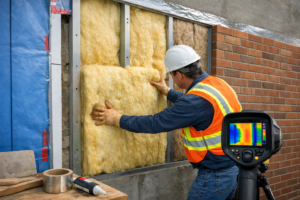
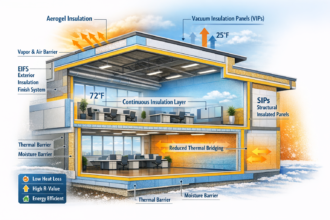
HPL panels contribute significantly to a building’s energy efficiency. Their insulation properties help reduce thermal bridging, a common issue in building envelopes that leads to energy loss. By minimizing thermal bridges, HPL panels improve the effective R-value of the assembly, enhancing overall energy performance.
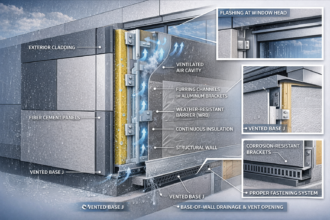
ASHRAE 90.1-2022 outlines energy standards that HPL panels help meet by reducing heating and cooling demands. Case studies reveal that buildings clad with HPL panels achieve notable energy savings, particularly in climate zones where temperature extremes are common. The panels’ ability to integrate with continuous insulation systems further boosts their energy efficiency credentials.
In addition, the reflective surfaces of some HPL panels can reduce solar heat gain, contributing to lower cooling loads in warm climates. This adaptability to different environmental conditions makes HPL a strategic choice for energy-conscious designs.
Section 4: Compliance with Sustainable Building Codes
HPL panels align well with sustainable building codes such as LEED, BREEAM and local energy regulations. LEED v4 credits emphasize material selection for environmental impact and HPL panels meet these criteria through their durability and energy efficiency. Projects using HPL panels often achieve higher sustainability ratings due to their compliance with stringent requirements.
For example, recent projects have shown that HPL panels contribute to achieving points in the Materials and Resources category of LEED certification. This compliance demonstrates HPL panels’ role in supporting sustainable design goals and regulatory adherence. Architects can use the panels’ characteristics to fulfill specific credits related to low-emitting materials and regional sourcing.
This strategic alignment with green building frameworks positions HPL panels as a preferred choice for environmentally responsible projects.
Section 5: Aesthetic Flexibility and Design Innovation
The aesthetic versatility of HPL panels is unmatched. They are available in a wide range of finishes, colors and textures, allowing architects to customize facades to fit specific design visions. Notable projects, such as the vibrant facade of the Museum of Contemporary Art in Denver, show the panels’ ability to create striking visual impacts.
HPL panels can be integrated with other sustainable materials, enabling new facade designs that blend aesthetics with performance. This flexibility in design options makes HPL panels a popular choice for architects seeking to push the boundaries of facade design. The ability to replicate the appearance of natural materials without the associated environmental impact allows designers to achieve desired aesthetics while maintaining sustainability.
The panels’ adaptability also supports creative solutions for retrofitting existing buildings, offering a fresh look with improved performance.
Section 6: Challenges and Considerations in HPL Panel Use
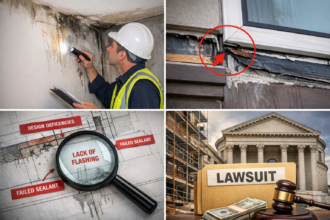
Despite their benefits, HPL panels present certain challenges. Installation complexities can arise, particularly in ensuring proper alignment and sealing. Initial costs may be higher than traditional materials, but this is offset by long-term savings in maintenance and energy efficiency.
Proper specification and installation are important to maximizing performance. NFPA 285 outlines fire performance standards that must be considered during design and installation. Best practices include thorough training for installation crews and detailed specification documents that address potential issues.
Overcoming these challenges requires a commitment to quality control and adherence to recommended guidelines. Field experiences emphasize the importance of selecting experienced contractors familiar with HPL systems to avoid common pitfalls such as improper sealing or inadequate support structures. These considerations ensure that the full benefits of HPL panels are realized without compromising safety or performance.
Section 7: Future Trends and Innovations in HPL Facades
The future of HPL facades looks promising with emerging technologies and manufacturing advancements. Innovations are enhancing the environmental performance of HPL panels, such as incorporating recycled content and improving production efficiency. Market growth projections indicate a rising demand for HPL panels as sustainable building practices gain traction.
The role of HPL in the evolution of sustainable architecture is expanding, with new applications and design possibilities emerging. As architects continue to prioritize sustainability, HPL panels are expected to become a staple in facade design, offering a balance of performance, aesthetics and environmental responsibility. The integration of smart technologies, such as sensors embedded within panels for real-time performance monitoring, represents a potential area of growth.
These advancements not only improve building efficiency but also enhance the user experience by providing data-driven insights into building operations.
Closing Angle: Forward-Looking Insight
As the demand for sustainable building practices continues to rise, high-pressure laminate panels are poised to play a important role in the future of facade design. They offer architects a versatile and eco-friendly material choice that aligns with the industry’s evolving standards. The combination of durability, energy efficiency and aesthetic flexibility makes HPL panels an attractive option for forward-thinking projects.
By embracing HPL panels, architects can contribute to a more sustainable built environment, meeting the challenges of modern design with new solutions.