The Role of Thermally Broken Girts in Enhancing Building Envelope Performance
Opening Angle:
The 2021 International Energy Conservation Code (IECC) introduces significant changes, particularly in Section C402.5, which emphasizes reducing thermal bridging within building envelopes. This update is not just a minor tweak; it represents a shift in how we approach facade design. Facade engineers must now consider new solutions like thermally broken girts to meet these stringent requirements.
These updates aim to enhance energy efficiency, reduce heat loss and improve overall building performance. As codes become more demanding, the adoption of advanced systems is essential. Thermally broken girts are emerging as a key component to achieving compliance with these evolving standards.
They offer a path to reduce thermal bridging, an often-overlooked aspect that can dramatically affect energy use. This shift in code highlights the need for envelope consultants and engineers to rethink traditional approaches and embrace new technologies.
Section 1: Understanding Thermal Bridging
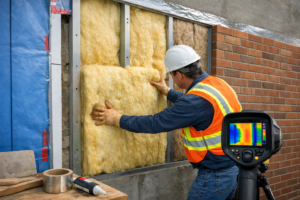
Thermal bridging occurs when a conductive material allows heat transfer across the building envelope, bypassing insulation. This can significantly degrade thermal performance. Traditional sub-girt systems, often made of metal, are notorious for contributing to thermal bridging.
These systems can account for up to 30% of heat loss in an assembly, as shown by numerous studies. This is a substantial figure that directly impacts energy efficiency. Thermally broken girts offer a solution by incorporating materials that interrupt the thermal pathway.
By breaking the conductive chain, these systems reduce heat flow and improve the effective R-value of the assembly. The concept is straightforward: minimize direct conductive paths to enhance insulation performance. This approach not only complies with new code requirements but also aligns with best practices for sustainable building design.
Field observations confirm that when thermally broken girts are properly installed, buildings experience less heat loss and improved thermal comfort, which is important for both residential and commercial applications.
Section 2: The Mechanics of Thermally Broken Girts
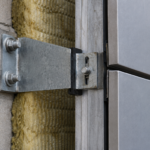
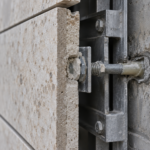
Thermally broken girts are designed with materials that provide a thermal break between the exterior cladding and the structural supports. These materials often include fiberglass-reinforced polymers or other composite materials known for their low conductivity. The design of these girts interrupts thermal pathways by integrating non-conductive elements, effectively reducing heat transfer.
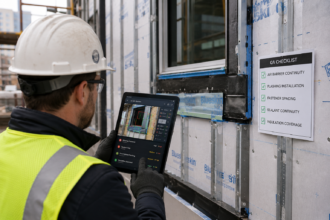
Installation involves aligning these girts with existing cladding systems, ensuring they are compatible with various materials and configurations. ASTM C1363 is the standard for thermal performance testing, validating the effectiveness of these systems. The installation process is important, requiring precision to ensure the girts function as intended.
Compatibility with different cladding systems is a significant advantage, allowing for flexibility in design without compromising performance. This adaptability makes thermally broken girts a versatile solution for new constructions and retrofits alike. Practitioners often note the importance of detailed coordination between design and installation teams to ensure that thermal breaks are continuous and effective, which can prevent common failures associated with thermal bridging.
Section 3: Energy Efficiency and Code Compliance
Thermally broken girts play a critical role in meeting energy codes like ASHRAE 90.1. Section 5. 4. 3 of this code addresses thermal bridging, emphasizing the need for solutions that reduce conductive heat loss.
By incorporating thermally broken girts, buildings can achieve lower U-values, enhancing overall energy efficiency. This is not merely about meeting code; it’s about exceeding expectations to deliver buildings that perform optimally. Projects across North America demonstrate the successful application of these systems, achieving compliance and reducing energy consumption.
For example, a recent project in Climate Zone 5 utilized thermally broken girts to achieve a 25% reduction in heating costs. This example highlights the tangible benefits of adopting advanced girt systems. By addressing thermal bridging directly, these projects not only comply with stringent codes but also offer significant operational savings.
Engineers often highlight the ease of integrating these systems into existing designs, which can streamline the path to compliance and reduce the risk of costly modifications later in the project lifecycle.
Section 4: Case Studies and Real-World Applications
Successful implementation of thermally broken girts can be seen in various case studies across different climates and building types. A commercial building in Climate Zone 6 incorporated these systems to combat harsh winter conditions. The results were impressive, with a 30% reduction in energy use compared to traditional systems.
Another case study in a mixed-humid climate demonstrated improved occupant comfort and reduced HVAC loads. These examples highlight the versatility and effectiveness of thermally broken girts. Lessons learned include the importance of precise installation and the need for detailed thermal modeling during design.
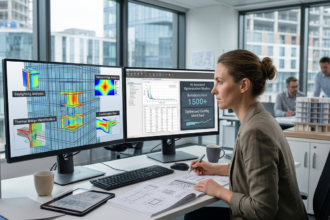
Performance outcomes consistently show enhanced energy efficiency and compliance with current codes. These real-world applications provide valuable insights into the benefits and challenges of integrating thermally broken girts, offering a roadmap for future projects. Practitioners often emphasize the role of early-stage thermal analysis in identifying potential bridging issues, which can be mitigated through careful selection and placement of thermally broken elements.
Section 5: Cost-Benefit Analysis
The initial cost of thermally broken girts may be higher than traditional systems, but the long-term savings in energy bills justify the investment. Industry reports indicate a potential payback period of 5 to 10 years due to reduced energy consumption. Additionally, the use of these systems can increase building lifespan by mitigating thermal stress and reducing maintenance needs.
Compared to traditional systems, thermally broken girts offer a superior return on investment (ROI). The financial data supports this, showing lower operational costs and increased asset value. These factors make thermally broken girts an attractive option for developers and building owners looking to enhance performance and sustainability.
The cost-benefit analysis clearly favors the adoption of these advanced systems, aligning economic incentives with environmental goals. Specifiers often note that the reduction in HVAC equipment size, due to improved thermal performance, can lead to additional cost savings and a smaller carbon footprint, further enhancing the project’s sustainability credentials.
Section 6: Challenges and Considerations
Adopting thermally broken girts is not without challenges. Installation complexity and material availability can pose significant hurdles. The precision required during installation demands skilled labor and careful planning.
Material availability can also affect project timelines and costs. Retrofitting existing buildings presents additional challenges, including compatibility with existing structures and potential disruption during installation. An industry survey highlights these barriers, emphasizing the need for strategic planning and collaboration among stakeholders.
Solutions include investing in training for installers and establishing strong supply chains. By addressing these challenges head-on, facade engineers can successfully integrate thermally broken girts into their projects, ensuring compliance and enhanced performance. Practitioners often stress the importance of thorough pre-installation training and the use of mock-ups to identify potential issues before full-scale deployment, which can prevent costly rework and project delays.
Section 7: Future Trends and Innovations
Emerging technologies in thermally broken systems offer exciting possibilities for the future. Integration with smart building technologies could further enhance energy efficiency and occupant comfort. Industry forecasts predict a growing demand for these systems as codes become more stringent and sustainability becomes a priority.
Future code changes are likely to mandate even greater reductions in thermal bridging, pushing the industry towards more new solutions. The potential for thermally broken girts to evolve and adapt to these changes is significant. As technology advances, these systems will continue to play a important role in enhancing building envelope performance.
Engineers anticipate that advancements in materials science will lead to even more effective thermal breaks, while digital tools will enable real-time monitoring of thermal performance, ensuring that buildings operate at peak efficiency throughout their lifecycle.