


The construction industry is undergoing a profound transformation. As environmental awareness grows and technology advances, green building practices are becoming the foundation of modern architecture. Developers, architects, and engineers are now challenged to design buildings that are not only functional and visually appealing, but also energy-efficient, sustainable, and resilient.
- Introduction: The Importance of Staying Ahead
- Technological Advancements in Building Envelope Systems
- Regulatory Updates and Code Implications
- Practical Considerations and Common Pitfalls
- Conclusion: Preparing for the Future
- Introduction: Understanding the Rise in Failures
- The Complexity of Modern Building Envelopes
- Common Causes of Building Envelope Failures
- 1. Design Flaws and Miscommunication
- 2. Material Incompatibility
- 3. Poor Workmanship
- 4. Environmental Factors
- Testing and Quality Assurance
- Code Implications and Compliance
- Practical Considerations and Common Pitfalls
- 1. Integrated Design Approach
- 2. Continuous Education and Training
- 3. Attention to Detail
- 4. Adaptability to Changing Conditions
- Conclusion: Proactive Measures for Success
What’s Changing in the Building Envelope World in 2026
The building envelope—the vital barrier between a structure’s interior and exterior—is experiencing significant transformations. As we approach 2026, it is crucial for architects, facade engineers, building envelope consultants, and commercial contractors to stay informed about the evolving landscape. This article examines the key changes anticipated in the building envelope industry, emphasizing technological advancements, regulatory updates, and their practical implications for professionals.
Introduction: The Importance of Staying Ahead
The building envelope serves as more than just a protective shell; it is a sophisticated system that impacts energy efficiency, occupant comfort, and the longevity of structures. As demands for sustainability, resilience, and compliance with stringent codes increase, understanding forthcoming changes in building envelope systems is essential for industry professionals. Several trends and developments are poised to reshape this field by 2026.
Technological Advancements in Building Envelope Systems
1. Smart Materials and Adaptive Facades
The incorporation of smart materials and adaptive facades is transforming building envelopes. These materials dynamically respond to environmental changes, optimizing energy efficiency and occupant comfort. Innovative technologies such as electrochromic glass—capable of adjusting its tint based on sunlight exposure—and phase change materials that regulate temperature are becoming more common. By 2026, these advancements are expected to be more accessible and cost-effective, providing new design possibilities and performance enhancements.
2. Advanced Building Information Modeling (BIM)
Building Information Modeling (BIM) is advancing, providing enhanced capabilities for designing and managing building envelopes. The integration of artificial intelligence and machine learning into BIM platforms enables more accurate simulations and predictive analyses. This progression assists in optimizing material selection, structural performance, and lifecycle management. By leveraging these tools, professionals can anticipate potential issues and make informed decisions early in the design process.
Regulatory Updates and Code Implications
1. Stricter Energy Codes and Standards
In a global effort to reduce carbon emissions, energy codes are becoming increasingly stringent. By 2026, new regulations are likely to mandate higher performance standards for building envelopes, focusing on thermal insulation, air tightness, and moisture control. Compliance with these codes will necessitate careful material selection and construction techniques. Industry professionals must stay informed of regional regulations to ensure projects meet or exceed these requirements.
2. Resilience and Climate Adaptation
As the effects of climate change intensify, building envelopes must be designed for resilience. Evolving codes will address the need for structures capable of withstanding extreme weather events—such as hurricanes, floods, and wildfires. This shift mandates a focus on robust materials and construction methods that enhance durability and adaptability. By 2026, resilience will significantly influence code compliance, affecting both new constructions and retrofits.
Practical Considerations and Common Pitfalls
1. Balancing Performance and Cost
Achieving high-performance building envelopes requires a careful balance between performance and cost. Although advanced materials and technologies offer substantial benefits, they may also elevate project expenses. Professionals must assess long-term savings in energy and maintenance against initial investments. Strategies like value engineering and lifecycle cost analysis are essential for optimal outcomes.
2. Ensuring Proper Installation and Quality Control
Even advanced building envelope systems can fail if not installed correctly. Common pitfalls include inadequate sealing, improper material handling, and insufficient quality control measures. To mitigate these risks, investing in skilled labor, comprehensive training, and rigorous inspection protocols is vital. Prioritizing quality control ensures that the building envelope performs as intended throughout its lifespan.
Conclusion: Preparing for the Future
As we approach 2026, the building envelope industry is on the verge of significant change. Technological advancements, stricter regulations, and a focus on resilience are driving this evolution. For architects, facade engineers, building envelope consultants, and commercial contractors, staying informed and adaptable is essential. By embracing new technologies, understanding regulatory implications, and prioritizing quality, professionals can navigate the challenges and opportunities that lie ahead. The future of building envelopes is dynamic, and those who prepare today will lead the industry tomorrow.
Why Failures in Building Envelope Systems Are Increasing (and What to Do About It)
Introduction: Understanding the Rise in Failures
The construction industry has recently observed a troubling increase in failures associated with building envelope systems. These setbacks not only jeopardize the structural integrity and energy efficiency of buildings but also incur substantial financial and reputational costs. It is critical for architects, facade engineers, building envelope consultants, and commercial contractors to comprehend the root causes of these failures and implement effective solutions. This article explores the reasons behind the rising frequency of building envelope failures and provides practical strategies for mitigation.
The Complexity of Modern Building Envelopes
Modern building envelopes are more intricate than ever. Driven by the demand for sustainable design and energy efficiency, envelopes now utilize advanced materials and technologies. While these innovations offer numerous benefits, they also present new challenges. The integration of various systems—such as thermal insulation, air barriers, and moisture control—necessitates precise coordination and execution. Any missteps in design, material selection, or installation can lead to failures.
Common Causes of Building Envelope Failures
1. Design Flaws and Miscommunication
Design flaws often arise from miscommunication among project stakeholders. It is essential for architects, engineers, and contractors to collaborate effectively to ensure that design intentions are clearly understood and executed. Inadequate detailing or oversight can lead to thermal bridging, air leakage, and moisture ingress.
2. Material Incompatibility
The choice of materials is critical to the performance of building envelopes. Incompatibility among materials can result in issues such as differential movement, chemical reactions, or degradation. It is essential to consider the long-term interactions of materials under various environmental conditions.
3. Poor Workmanship
Even optimally designed systems can fail due to subpar workmanship. Inadequate training, rushed schedules, and lack of quality control can lead to improper installation. Ensuring that contractors possess the requisite skills and knowledge regarding the specific requirements of building envelope systems is crucial.
4. Environmental Factors
Climate change and extreme weather events are imposing additional stress on building envelopes. Systems designed for historical weather patterns may not withstand the increasing frequency and intensity of storms, temperature fluctuations, and humidity levels.
Testing and Quality Assurance
Implementing rigorous testing and quality assurance protocols is vital to preventing failures. Building envelope systems should undergo comprehensive testing during both the design and construction phases, including:
-
Mock-Up Testing: Constructing full-scale mock-ups enables evaluation of design details and material performance prior to actual construction, allowing for early identification of potential issues.
-
Field Testing: On-site testing—such as blower door tests and infrared thermography—verifies the integrity of air and moisture barriers. Regular inspections during construction ensure adherence to design specifications.
-
Post-Construction Monitoring: Continuous performance monitoring post-construction helps identify and address issues before they escalate, extending the longevity of the building envelope.
Code Implications and Compliance
Building codes and standards are evolving to tackle the challenges associated with modern building envelopes. Compliance with these codes is not only legally mandated but also serves as a safeguard against failures. Key considerations include:
-
Energy Codes: Compliance with energy codes ensures that building envelopes contribute to overall energy efficiency, including requirements for insulation, air sealing, and fenestration.
-
Moisture Management Standards: Adherence to codes related to moisture management is crucial in preventing water intrusion and mold growth. Proper drainage, flashing, and vapor barriers must be incorporated into designs.
-
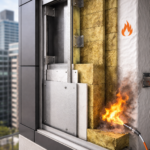
Fire Safety Regulations: Building envelopes must conform to fire safety standards to mitigate the spread of fire and smoke. This involves selecting fire-resistant materials and ensuring proper detailing.
Practical Considerations and Common Pitfalls
1. Integrated Design Approach
An integrated design approach fosters collaboration from the project’s inception. Engaging all stakeholders early in the process ensures that design, material selection, and construction methods align with performance objectives.
2. Continuous Education and Training
Ongoing education and training for all parties involved in the construction process are essential. Staying informed about the latest technologies, materials, and best practices helps avert common pitfalls.
3. Attention to Detail
The importance of attention to detail in design and construction cannot be overstated. Small oversights, such as improper sealing or inadequate flashing, can precipitate significant failures. Meticulous attention to detail at every stage is imperative.
4. Adaptability to Changing Conditions
Building envelopes must be adaptable to fluctuating environmental conditions. Resilient design entails considering future climate scenarios and integrating flexible systems to accommodate these changes.
Conclusion: Proactive Measures for Success
The increasing incidence of building envelope failures is a complex issue that necessitates a proactive and collaborative approach. By understanding the intricacies of modern building envelopes, implementing rigorous testing and quality assurance protocols, adhering to evolving codes, and promoting continuous education, industry professionals can significantly reduce the risk of failures. Ultimately, the success of building envelope systems relies on meticulous planning, execution, and adaptability, ensuring the longevity and performance of our built environment.