

The Rise of High-Pressure Laminate Facades: Durability Meets Design
## Introduction
In the evolving landscape of building envelope systems, high-pressure laminate (HPL) facades have emerged as a compelling choice for architects, facade engineers, and building envelope consultants. Known for their durability, aesthetic versatility, and cost-effectiveness, HPL facades are increasingly being specified in both new construction and renovation projects. This article delves into the reasons behind the growing popularity of HPL facades, exploring their real-world applications, testing standards, and code implications.
## Understanding High-Pressure Laminate Facades
High-pressure laminate facades are composed of multiple layers of kraft paper impregnated with phenolic resin, topped with a decorative layer and a protective overlay. These layers are fused under high pressure and temperature, resulting in a robust, weather-resistant panel. The manufacturing process ensures that HPL panels are not only durable but also capable of mimicking a variety of textures and finishes, from wood and stone to abstract patterns.
### Key Characteristics
1. Durability: HPL panels are known for their resistance to impact, weather, and UV radiation. This makes them suitable for harsh environmental conditions, ensuring longevity and reduced maintenance costs.
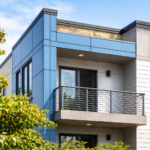
2. Design Flexibility: Available in a wide range of colors, textures, and finishes, HPL facades offer architects the freedom to achieve desired aesthetics without compromising on performance.
3. Sustainability: Many HPL products are manufactured with sustainability in mind, using FSC-certified paper and low-emission resins, contributing to green building certifications.
## Practical Considerations
Installation and Maintenance
The installation of HPL facades requires precision and expertise. Panels are typically installed using a ventilated facade system, which allows for air circulation and moisture management, enhancing the building’s thermal performance. Proper detailing at joints and edges is crucial to prevent water ingress and ensure structural integrity.
Common Pitfalls:
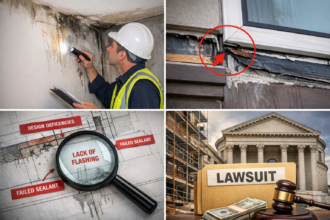
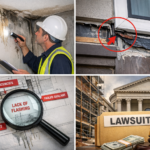
– Improper Sealing: Failure to adequately seal joints can lead to moisture penetration, compromising the facade’s performance.
– Inadequate Support Systems: Ensuring the substructure is capable of supporting the weight and thermal movement of HPL panels is critical.
### Testing and Standards
HPL facades must meet rigorous testing standards to ensure their performance in real-world conditions. Key tests include:
– Fire Resistance: Compliance with fire safety standards is paramount. HPL panels should be tested for flame spread and smoke development.
– Weather Resistance: Panels undergo tests for resistance to wind, rain, and UV exposure to ensure they can withstand environmental stresses.
– Impact Resistance: Testing for impact resistance ensures panels can endure physical stress without damage.
### Code Implications
Building codes increasingly recognize the benefits of HPL facades, but compliance remains a critical consideration. Understanding local regulations regarding fire performance, wind load, and energy efficiency is essential for successful implementation.
Key Considerations:
– Fire Safety: Ensure compliance with local fire codes, particularly in high-rise applications where stricter standards may apply.
– Energy Codes: HPL facades can contribute to energy efficiency goals, but must be integrated with appropriate insulation and air barrier systems.
## Real-World Applications
### Case Studies
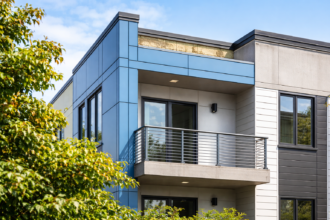
1. Urban High-Rise: In a recent urban high-rise project, HPL facades were chosen for their ability to withstand high wind loads and urban pollution, while providing a sleek, modern aesthetic. The ventilated facade system also contributed to the building’s energy efficiency, reducing heating and cooling costs.
2. Educational Facility: An educational facility utilized HPL panels to achieve a vibrant, engaging facade. The panels’ durability ensured they could withstand high foot traffic and potential vandalism, maintaining their appearance over time.
### Lessons Learned
– Collaboration is Key: Successful HPL facade projects often involve close collaboration between architects, engineers, and contractors to address design and installation challenges.
– Mock-Ups and Testing: Conducting mock-ups and site-specific testing can identify potential issues early, ensuring a smoother installation process.
## Conclusion
High-pressure laminate facades represent a harmonious blend of durability and design flexibility, making them an attractive option for modern building envelopes. By understanding the practical considerations, testing standards, and code implications, industry professionals can effectively leverage HPL facades to create aesthetically pleasing, high-performance buildings. As the demand for sustainable and resilient building materials grows, HPL facades are poised to play a significant role in the future of architectural design.
The Rise of High-Pressure Laminate Facades: Durability Meets Design
Introduction
In the evolving landscape of building envelope systems, high-pressure laminate (HPL) facades have emerged as a compelling choice for architects, facade engineers, and building envelope consultants. Renowned for their durability, aesthetic versatility, and cost-effectiveness, HPL facades are increasingly being specified for both new construction and renovation projects. This article explores the factors contributing to the growing popularity of HPL facades, including real-world applications, testing standards, and code implications.
Understanding High-Pressure Laminate Facades
High-pressure laminate facades consist of multiple layers of kraft paper impregnated with phenolic resin, topped with a decorative layer and a protective overlay. These layers are fused under high pressure and temperature, resulting in a robust and weather-resistant panel. The manufacturing process ensures that HPL panels not only exhibit durability but also can replicate a variety of textures and finishes, from wood and stone to abstract patterns.
Key Characteristics
1. Durability: HPL panels are recognized for their resistance to impact, weather, and UV radiation, making them suitable for harsh environments and contributing to longevity and reduced maintenance costs.
2. Design Flexibility: Available in a vast array of colors, textures, and finishes, HPL facades provide architects with the liberty to achieve desired aesthetics while maintaining high performance.
3. Sustainability: Many HPL products are manufactured with sustainability in mind, utilizing FSC-certified paper and low-emission resins, thereby contributing to green building certifications.
Practical Considerations
Installation and Maintenance
Installing HPL facades necessitates precision and expertise. Panels are typically installed using a ventilated facade system that promotes air circulation and moisture management, enhancing the building’s thermal performance. It is crucial to ensure proper detailing at joints and edges to prevent water ingress and maintain structural integrity.
Common Pitfalls:
– Improper Sealing: Insufficient sealing of joints can lead to moisture penetration, compromising the facade’s effectiveness.
– Inadequate Support Systems: The substructure must be capable of supporting the weight and accommodating thermal movement of HPL panels.
Testing and Standards
HPL facades must adhere to rigorous testing standards to validate their performance in real-world conditions. Key tests include:
– Fire Resistance: Compliance with fire safety standards is essential. HPL panels should be tested for flame spread and smoke development.
– Weather Resistance: Panels must undergo tests for wind, rain, and UV exposure to ensure durability against environmental stresses.
– Impact Resistance: Evaluating impact resistance assures that panels can withstand physical stress without sustaining damage.
Code Implications
Building codes are increasingly recognizing the advantages of HPL facades; however, compliance remains a critical consideration. Understanding local regulations pertaining to fire performance, wind load, and energy efficiency is vital for successful implementation.
Key Considerations:
– Fire Safety: Ensure compliance with local fire codes, especially in high-rise applications where stricter standards may apply.
– Energy Codes: HPL facades can contribute to energy efficiency goals but must be integrated with appropriate insulation and air barrier systems.
Real-World Applications
Case Studies
1. Urban High-Rise: In a recent urban high-rise project, HPL facades were selected for their wind load resistance and ability to withstand urban pollution, all while delivering a sleek, modern aesthetic. The ventilated facade system also enhanced the building’s energy efficiency, leading to reduced heating and cooling costs.
2. Educational Facility: In an educational facility, HPL panels were used to create a vibrant and engaging facade. The durability of the panels ensured they could endure high foot traffic and potential vandalism, maintaining their appearance over time.
Lessons Learned
– Collaboration is Key: Successful projects involving HPL facades often result from close collaboration among architects, engineers, and contractors to navigate design and installation challenges.
– Mock-Ups and Testing: Conducting mock-ups and site-specific testing can identify potential issues early, promoting a smoother installation process.
Conclusion
High-pressure laminate facades exemplify a harmonious blend of durability and design flexibility, positioning them as an attractive option for contemporary building envelopes. By understanding the practical considerations, testing standards, and code implications, industry professionals can effectively utilize HPL facades to create aesthetically pleasing, high-performance structures. As the demand for sustainable and resilient building materials rises, HPL facades are poised to play a significant role in the future of architectural design.
The Rise of High-Pressure Laminate Facades: Durability Meets Design
Introduction
In the evolving landscape of building envelope systems, high-pressure laminate (HPL) facades have emerged as a compelling choice for architects, facade engineers, and building envelope consultants. Renowned for their durability, aesthetic versatility, and cost-effectiveness, HPL facades are increasingly being specified for both new construction and renovation projects. This article explores the factors contributing to the growing popularity of HPL facades, including real-world applications, testing standards, and code implications.
Understanding High-Pressure Laminate Facades
High-pressure laminate facades consist of multiple layers of kraft paper impregnated with phenolic resin, topped with a decorative layer and a protective overlay. These layers are fused under high pressure and temperature, resulting in a robust and weather-resistant panel. The manufacturing process ensures that HPL panels not only exhibit durability but can also replicate a variety of textures and finishes, from wood and stone to abstract patterns.
Key Characteristics
1. Durability: HPL panels are recognized for their resistance to impact, weather, and UV radiation, making them suitable for harsh environments and contributing to longevity and reduced maintenance costs.
2. Design Flexibility: Available in a vast array of colors, textures, and finishes, HPL facades provide architects with the liberty to achieve desired aesthetics while maintaining high performance.
3. Sustainability: Many HPL products are manufactured with sustainability in mind, utilizing FSC-certified paper and low-emission resins, thereby contributing to green building certifications.
Practical Considerations
Installation and Maintenance
Installing HPL facades necessitates precision and expertise. Panels are typically installed using a ventilated facade system that promotes air circulation and moisture management, enhancing the building’s thermal performance. It is crucial to ensure proper detailing at joints and edges to prevent water ingress and maintain structural integrity.
Common Pitfalls:
– Improper Sealing: Insufficient sealing of joints can lead to moisture penetration, compromising the facade’s effectiveness.
– Inadequate Support Systems: The substructure must be capable of supporting the weight and accommodating thermal movement of HPL panels.
Testing and Standards
HPL facades must adhere to rigorous testing standards to validate their performance in real-world conditions. Key tests include:
– Fire Resistance: Compliance with fire safety standards is essential. HPL panels should be tested for flame spread and smoke development.
– Weather Resistance: Panels must undergo tests for wind, rain, and UV exposure to ensure durability against environmental stresses.
– Impact Resistance: Evaluating impact resistance assures that panels can withstand physical stress without sustaining damage.
Code Implications
Building codes increasingly recognize the advantages of HPL facades; however, compliance remains a critical consideration. Understanding local regulations pertaining to fire performance, wind load, and energy efficiency is vital for successful implementation.
Key Considerations:
– Fire Safety: Ensure compliance with local fire codes, especially in high-rise applications where stricter standards may apply.
– Energy Codes: HPL facades can contribute to energy efficiency goals, but must be integrated with appropriate insulation and air barrier systems.
Real-World Applications
Case Studies
1. Urban High-Rise: In a recent urban high-rise project, HPL facades were selected for their wind load resistance and ability to withstand urban pollution, all while delivering a sleek, modern aesthetic. The ventilated facade system also enhanced the building’s energy efficiency, leading to reduced heating and cooling costs.
2. Educational Facility: In an educational facility, HPL panels were used to create a vibrant and engaging facade. The durability of the panels ensured they could endure high foot traffic and potential vandalism, maintaining their appearance over time.
Lessons Learned
– Collaboration is Key: Successful projects involving HPL facades often result from close collaboration among architects, engineers, and contractors to navigate design and installation challenges.
– Mock-Ups and Testing: Conducting mock-ups and site-specific testing can identify potential issues early, promoting a smoother installation process.
Conclusion
High-pressure laminate facades exemplify a harmonious blend of durability and design flexibility, positioning them as an attractive option for contemporary building envelopes. By understanding the practical considerations, testing standards, and code implications, industry professionals can effectively utilize HPL facades to create aesthetically pleasing, high-performance structures. As the demand for sustainable and resilient building materials rises, HPL facades are poised to play a significant role in the future of architectural design.