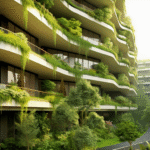





In today’s construction landscape, the materials used in a building define far more than its appearance. They shape how efficiently it performs, how long it lasts, and how well it supports environmental goals. Sustainable materials have become the backbone of modern building design, combining durability, efficiency, and responsibility toward the planet.
By integrating eco-friendly innovations, architects and engineers are creating structures that not only endure over time but also contribute positively to global sustainability efforts.
The Importance of Material Selection in Sustainability
Material selection plays a central role in the environmental footprint of a building. From sourcing to manufacturing and end-of-life disposal, every step impacts carbon emissions and long-term performance.
Sustainable materials focus on reducing energy consumption, minimizing waste, and promoting circularity—ensuring that buildings remain high-performing for decades.
Key Sustainable Materials Shaping Modern Construction
1. Recycled and Reclaimed Materials
Reusing existing materials like reclaimed wood, recycled steel, or crushed concrete reduces the demand for raw resources and lowers carbon output. These materials maintain strength and quality while helping divert waste from landfills.
2. Low-Carbon Concrete
Concrete production is one of the largest contributors to global CO₂ emissions. Modern alternatives, such as geopolymer and carbon-cured concrete, drastically reduce this impact. These advanced formulas maintain durability while minimizing the embodied carbon of construction.
3. Engineered Timber
Engineered wood products such as cross-laminated timber (CLT) and glulam are gaining popularity for their strength, renewability, and aesthetic appeal. They store carbon instead of emitting it, making them ideal for mid- to high-rise buildings focused on sustainability.
4. Natural Insulation Materials
Insulation derived from hemp, wool, cork, and cellulose provides excellent thermal performance while being biodegradable and non-toxic. These materials contribute to healthier indoor air quality and greater occupant comfort.
5. High-Performance Glazing and Coatings
Energy-efficient glass with low-emissivity coatings helps regulate indoor temperatures and reduce reliance on HVAC systems. Combined with reflective finishes or solar control films, they enhance energy efficiency without sacrificing daylight or visibility.
Lifecycle Benefits and Long-Term Performance
Sustainable materials are designed for longevity. They require less maintenance, resist weathering, and improve the building’s resilience to changing climate conditions.
Through lifecycle assessments (LCA), project teams can measure the total environmental impact and select materials that perform better over time, both economically and ecologically.
Long-term performance also translates to financial savings. Durable, low-maintenance materials reduce operational costs while improving property value and tenant satisfaction.
The Role of Innovation in Sustainable Material Design
Technology continues to drive innovation in material science. Researchers are developing self-healing concrete, bio-based plastics, and smart composites that adapt to environmental changes.
These innovations push the boundaries of what sustainable construction can achieve, moving the industry toward regenerative design—where buildings actively improve the environment around them.
Future Outlook: Building for Generations
The shift toward sustainable materials reflects a larger movement in the industry: designing for generations, not just projects. As environmental awareness grows, builders are prioritizing circular economy principles, where materials are reused, recycled, or repurposed at the end of their life.
This mindset ensures that the buildings of tomorrow will not only last longer but will also leave a lighter footprint on the planet.