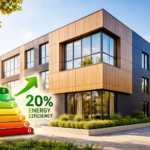

The construction industry is undergoing a profound transformation. As environmental awareness grows and technology advances, green building practices are becoming the foundation of modern architecture. Developers, architects, and engineers are now challenged to design buildings that are not only functional and visually appealing, but also energy-efficient, sustainable, and resilient.
Rainscreen Systems and Moisture Control: Best Practices for Longevity
Introduction
In the realm of modern architecture and construction, the building envelope plays a crucial role in ensuring the durability and energy efficiency of structures. Among the various components of the building envelope, rainscreen systems have gained prominence for their effectiveness in moisture control. As moisture-related issues continue to be a leading cause of building deterioration, understanding the best practices for designing and implementing rainscreen systems is essential for architects, facade engineers, building envelope consultants, and commercial contractors.
Understanding Rainscreen Systems
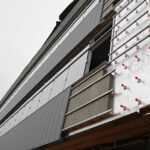
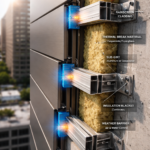
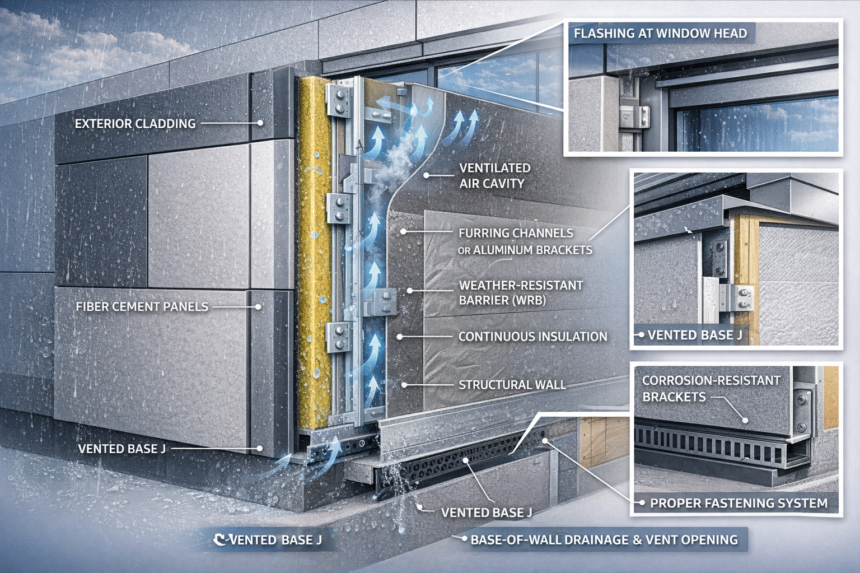
Rainscreen systems are designed to manage moisture by creating a ventilated cavity between the exterior cladding and the building’s structural wall. This cavity allows for drainage and evaporation of any water that penetrates the outer layer, thereby protecting the inner components from moisture damage. The effectiveness of a rainscreen system hinges on its ability to balance water shedding, ventilation, and thermal performance.
Components of a Rainscreen System
-
Cladding Material: The outermost layer, which can be made from various materials such as metal, wood, or composite panels. It serves as the primary barrier against environmental elements.
-
Air Cavity: A crucial space that allows air to circulate, promoting drying and reducing the risk of moisture accumulation.
-
Weather-Resistant Barrier (WRB): Installed behind the cladding, this barrier provides additional protection against water infiltration.
-
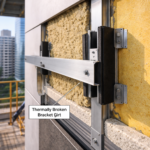
Support Structure: Typically composed of furring strips or brackets that hold the cladding in place while maintaining the air cavity.
Best Practices for Rainscreen Design
Selecting Appropriate Materials
Choosing the right materials for each component of the rainscreen system is vital. Cladding materials should be durable and suitable for the local climate. The WRB must be vapor-permeable to allow moisture to escape while preventing water ingress. Additionally, the support structure should be corrosion-resistant to ensure longevity.
Ensuring Proper Ventilation
Adequate ventilation within the cavity is critical for moisture control. This can be achieved by incorporating vents at the top and bottom of the rainscreen system. These vents facilitate airflow, promoting evaporation and reducing the risk of mold growth. The size and placement of vents should be carefully calculated based on the building’s design and environmental conditions.
Detailing for Water Management
Effective water management is essential to the success of a rainscreen system. This involves designing details that direct water away from the building envelope. Flashings, drip edges, and weep holes should be strategically placed to prevent water from entering the cavity and to facilitate drainage.
Practical Considerations and Common Pitfalls
Installation Challenges
Improper installation can compromise the performance of a rainscreen system. Common issues include inadequate sealing around windows and doors, improper alignment of cladding panels, and insufficient fastening of the support structure. To avoid these pitfalls, it is crucial to follow manufacturer guidelines and industry standards during installation.
Maintenance and Inspection
Regular maintenance and inspection are necessary to ensure the long-term performance of rainscreen systems. This includes checking for signs of wear and tear, such as cracks in the cladding or corrosion in the support structure. Prompt repairs can prevent minor issues from escalating into significant problems.
Code Compliance
Rainscreen systems must comply with local building codes and standards, which often dictate requirements for fire safety, energy efficiency, and structural integrity. Staying informed about the latest code updates and incorporating them into the design and construction process is essential for ensuring compliance and avoiding legal complications.
Conclusion
Rainscreen systems are a vital component of modern building envelopes, offering effective moisture control and contributing to the longevity of structures. By selecting appropriate materials, ensuring proper ventilation, and detailing for water management, architects, facade engineers, building envelope consultants, and commercial contractors can optimize the performance of these systems. Attention to installation, maintenance, and code compliance further enhances their effectiveness, safeguarding buildings against moisture-related issues and extending their lifespan. As the industry continues to evolve, staying informed about best practices and emerging technologies will be key to achieving successful outcomes in rainscreen design and implementation.