

Innovations in Thermally Broken Sub-Girt Systems: Enhancing Energy Efficiency
Recent studies reveal a startling reality: up to 30% of energy loss in buildings is due to thermal bridging in facade systems. This statistic highlights the critical need to address thermal bridging to meet stringent energy codes and sustainability goals. Thermally broken sub-girt systems emerge as a promising solution to this challenge, offering a path to enhanced energy efficiency in building envelopes.
Understanding Thermal Bridging in Facade Systems
Thermal bridging occurs when conductive materials create pathways for heat to bypass insulation, leading to significant energy loss. In traditional sub-girt systems, metal components often serve as these conduits, undermining the thermal performance of the facade. ASHRAE 90.
1 emphasizes the importance of minimizing thermal bridging to meet energy performance requirements. Thermal breaks, typically made from low-conductivity materials, are integrated into these systems to disrupt the heat flow, thereby reducing energy loss. Understanding and addressing these thermal bridges is important for improving the effective R-value of the entire assembly.
This improvement is not just theoretical; field studies have demonstrated that addressing thermal bridging can enhance the overall thermal resistance of a building envelope by up to 40%, significantly impacting heating and cooling demands.
Evolution of Sub-Girt Systems
The evolution of sub-girt systems reflects a shift from traditional, thermally inefficient designs to modern, energy-conscious alternatives. Initially, sub-girt systems relied heavily on metal components, which are notorious for thermal bridging. Recent innovations have introduced thermally broken designs, incorporating materials like fiberglass and high-performance polymers.
These advancements are supported by rigorous testing, such as ASTM E283, which sets air leakage standards. The transition to thermally broken systems represents a significant leap forward, driven by the demand for higher energy efficiency and compliance with evolving building codes. The industry has seen a notable increase in the adoption of these systems, especially in regions with stringent energy regulations like California, where Title 24 mandates high-performance building envelopes.
Components of Thermally Broken Sub-Girt Systems
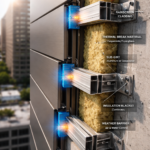
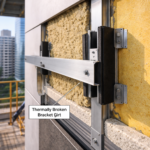
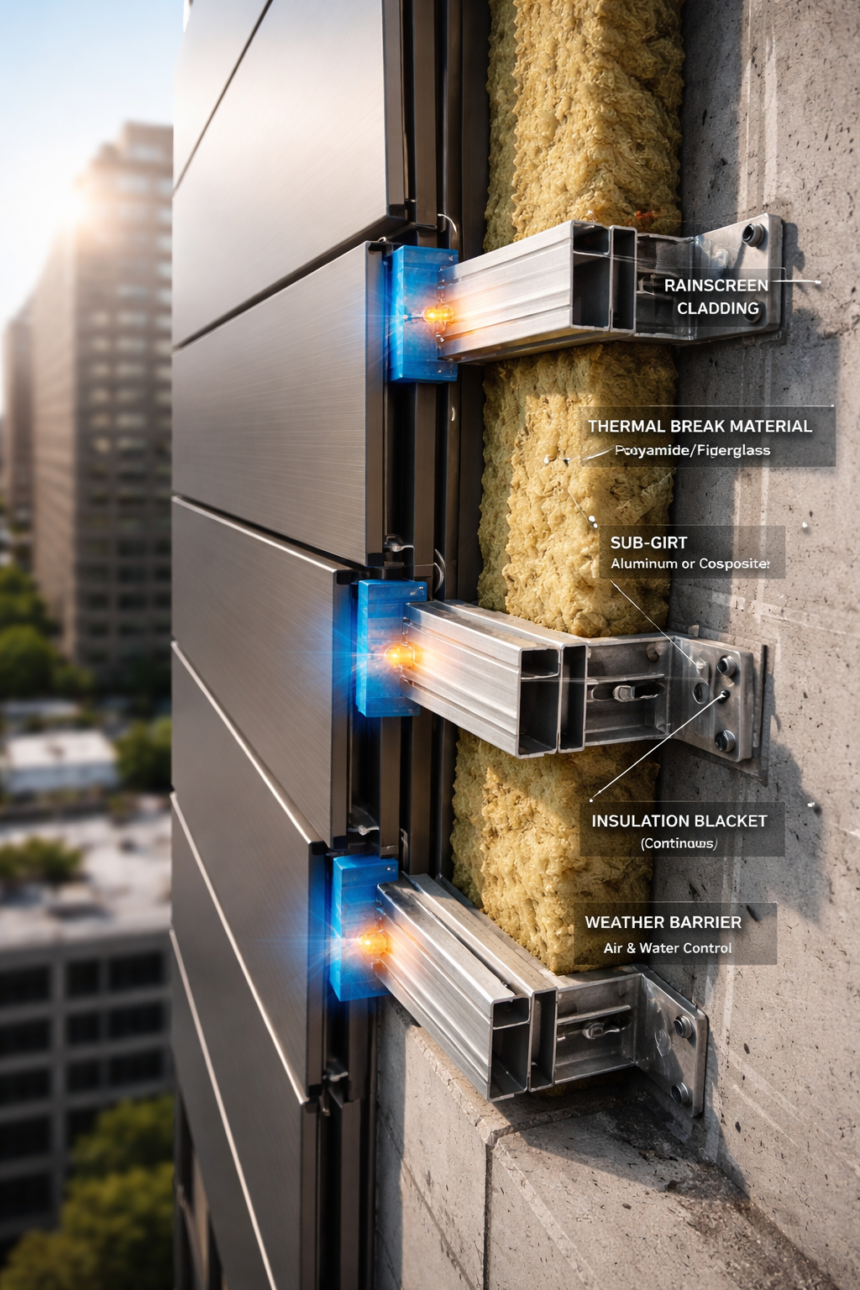
A thermally broken sub-girt system comprises several key components, each playing a role in reducing thermal bridging. These include the sub-girt itself, thermal breaks and cladding attachments. The thermal breaks, often made from materials with low thermal conductivity like polyamide, are strategically placed to interrupt the heat flow path.
This integration is important for maintaining the integrity of the facade assembly. Common materials used in these systems exhibit varying thermal conductivity values, with some as low as 0. 2 W/m·K, significantly enhancing the overall thermal performance.
The careful selection and integration of these components are important for achieving the desired energy efficiency. For instance, a project in Toronto utilized a combination of polyamide thermal breaks and fiberglass sub-girts, achieving a facade U-value reduction of 30% compared to traditional systems.
Energy Efficiency Benefits
Thermally broken sub-girt systems offer substantial energy savings by minimizing heat loss through the building envelope. This reduction in thermal bridging directly impacts HVAC loads, leading to lower energy consumption and improved building performance. Case studies highlight measurable improvements, with some buildings achieving up to a 20% reduction in energy use.
These systems help meet the requirements of energy codes like IECC 2021, which mandates stricter thermal performance standards. By enhancing the effective R-value of the facade assembly, thermally broken systems contribute to significant operational cost savings and a reduced environmental footprint. In a recent retrofit of an office building in Chicago, the implementation of a thermally broken sub-girt system resulted in an annual energy cost saving of approximately $50,000, demonstrating the financial benefits alongside environmental gains.
Compliance with Energy Codes and Standards
Thermally broken sub-girt systems are instrumental in achieving compliance with current energy codes. They align with the International Energy Conservation Code (IECC) requirements, which increasingly emphasize thermal performance. These systems also support LEED certification by contributing to energy efficiency credits.
Recent changes in energy codes reflect a growing focus on minimizing thermal bridging, making thermally broken systems not just beneficial but necessary for compliance. As codes evolve, these systems provide a reliable means to meet and exceed regulatory demands. For example, the 2021 IECC includes provisions that specifically address the need for continuous insulation, which thermally broken sub-girts help achieve by reducing thermal bridging at connection points.
Challenges and Considerations
Implementing thermally broken sub-girt systems is not without challenges. Design complexities, installation intricacies and maintenance considerations must be addressed to maximize their benefits. Proper detailing is critical to ensure the effectiveness of thermal breaks.
Common pitfalls include inadequate alignment of components and improper sealing, which can compromise performance. Practitioner observations highlight the importance of thorough training and quality control during installation. Solutions involve careful planning and adherence to best practices, ensuring that the intended energy efficiency gains are realized in practice.
For instance, a project in Seattle faced challenges with moisture ingress due to improper sealing, which was mitigated by revising the installation protocol and enhancing worker training.
Future Trends and Innovations
The future of thermally broken sub-girt systems lies in continued innovation and research. Emerging trends include the development of advanced materials with even lower thermal conductivity and the integration of smart technologies for real-time performance monitoring. Ongoing research aims to refine these systems further, enhancing their energy efficiency and ease of installation.
Upcoming changes in energy codes are likely to drive further advancements, pushing the boundaries of what these systems can achieve. As the industry evolves, these innovations will play a key role in shaping the future of sustainable building design. Researchers are currently examining the potential of nanomaterials to further reduce thermal conductivity, offering the promise of even greater energy savings in future applications.
Forward-Looking Insight
Thermally broken sub-girt systems are set to become a cornerstone in achieving future energy efficiency goals. As facade engineers, staying informed about innovations and evolving standards is essential. These systems offer a pathway to not only meet but exceed current energy codes, positioning them as a standard practice in sustainable building design.
By embracing these advancements, we can drive the industry toward a more energy-efficient and environmentally responsible future. The ongoing commitment to research and development in this area will ensure that building envelopes continue to improve, meeting the demands of both regulatory bodies and environmentally conscious clients.