


Fire Performance in Rainscreen Assemblies: Meeting the Latest Code Requirements
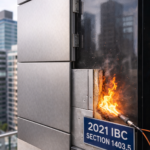
Recent updates to the International Building Code (IBC) 2021 have placed a spotlight on the fire performance of exterior wall assemblies, specifically in Section 1403.5. This change reflects a heightened focus on fire safety, driven by high-profile building fires that have exposed vulnerabilities in cladding systems. Compliance with these updated requirements is imperative for building envelope consultants. The revisions emphasize the need for more rigorous testing and documentation to ensure that rainscreen assemblies meet fire safety standards. Understanding these changes is important for professionals tasked with designing and specifying compliant building envelopes.
—
Understanding Rainscreen Assemblies
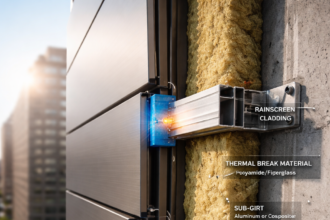
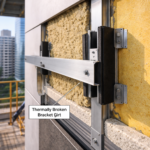
Rainscreen assemblies play a critical role in modern building envelopes. They consist of an exterior cladding layer, an air cavity and a weather-resistant barrier (WRB). This system manages moisture by allowing water to drain and air to circulate, reducing the risk of water intrusion. The air cavity provides a thermal break, enhancing the assembly’s thermal performance. Section 1403 of the IBC outlines general requirements for exterior walls, including provisions for moisture management. Rainscreens are particularly effective in managing the water and air control layers, which are important for building durability and energy efficiency. The design of these assemblies must consider the integration of all components to meet performance requirements. Proper detailing at penetrations, joints and terminations is essential to prevent water ingress and ensure long-term performance. Additionally, the selection of materials that can withstand environmental conditions without degrading is important. This includes understanding the compatibility of materials and ensuring that they function cohesively within the assembly.
—
Fire Performance Requirements
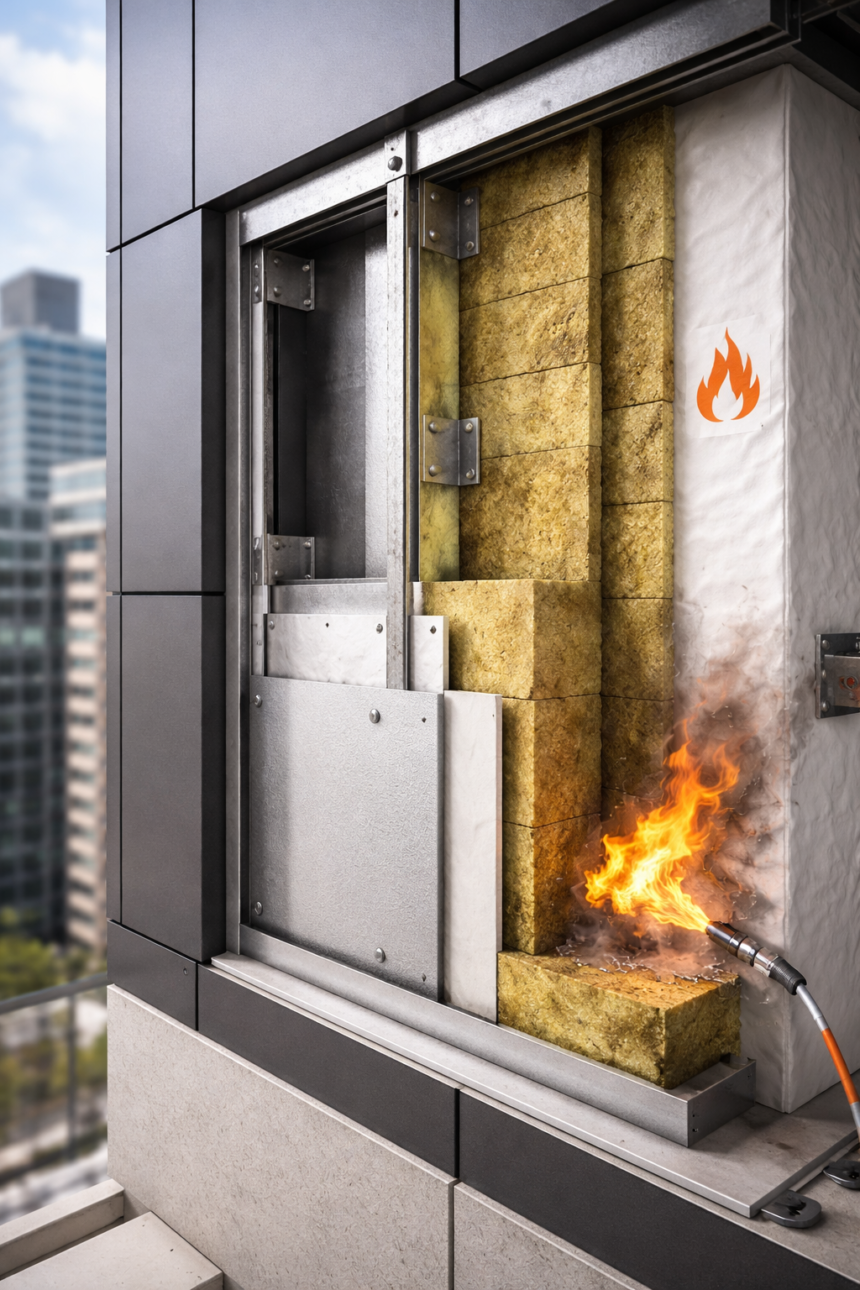
Fire performance criteria for rainscreen assemblies have become increasingly stringent. The IBC Section 1403.5 mandates that exterior walls in certain constructions must pass the NFPA 285 test, which evaluates the fire propagation characteristics of wall assemblies. This test is essential for ensuring that the assembly can limit fire spread. Additionally, ASTM E84 assesses the flammability of individual materials within the assembly. Compliance requires that each component, from cladding to insulation, is tested and certified to meet these standards. The integration of these materials must be carefully considered to maintain the assembly’s overall fire performance. Designers must ensure that all elements work together to prevent fire from breaching the building envelope. This includes selecting materials with low flame spread and smoke development indices and ensuring proper installation to prevent gaps that could allow fire penetration. Continuous education on material advancements and testing methods is important for designers to stay compliant with evolving standards.
—
Recent Code Updates and Their Implications
The IBC 2021 updates to Section 1403.5 have significant implications for design and material selection. These changes necessitate a complete review of materials to ensure compliance with fire safety standards. The requirement for NFPA 285 testing means that many traditional materials may no longer be viable without additional fire-resistant treatments or barriers. This shift demands updated testing and certification processes, impacting both new constructions and retrofits. Building envelope consultants must stay informed about these changes to avoid costly redesigns and ensure that their projects meet the latest safety requirements. Early collaboration with fire safety engineers can help navigate these challenges effectively. It is essential to engage with manufacturers to obtain the latest test data and certifications for materials. This proactive approach can help identify potential issues early in the design phase, reducing the risk of non-compliance and project delays.
—
Case Studies of Fire Performance in Rainscreen Assemblies
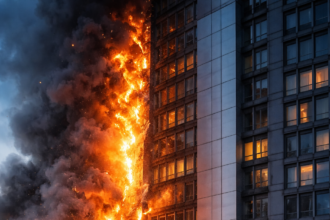
Real-world examples highlight the importance of compliance with fire performance standards. In one documented case, a rainscreen assembly failed due to the use of non-compliant insulation, leading to rapid fire spread. Conversely, another project successfully utilized compliant materials and passed NFPA 285, demonstrating effective fire containment. These case studies highlight the necessity of rigorous material selection and testing. Factors such as improper installation and inadequate testing can lead to catastrophic failures. Lessons learned include the importance of verifying material certifications and ensuring proper assembly integration. These examples serve as a cautionary tale for consultants and contractors alike. They also highlight the need for thorough documentation and quality control processes during construction. Regular site inspections and adherence to design specifications are important to ensure that the assembly performs as intended.
—
Best Practices for Compliance
Achieving compliance with fire performance standards requires strategic material selection and design. Consultants should prioritize materials tested and certified for NFPA 285 compliance. Collaboration with fire safety engineers is important to developing assemblies that meet all performance criteria. Ongoing compliance and monitoring are essential, particularly in the face of evolving codes. Regularly reviewing test results and updating specifications can help maintain compliance. Using materials with proven fire performance records and engaging in proactive design reviews can prevent costly failures and ensure occupant safety. These practices are not merely recommendations but necessities for successful project delivery. Implementing a rigorous quality assurance program that includes mock-up testing and regular audits can further enhance compliance and performance.
—
Innovations in Fire-Resistant Materials
Advancements in material science are enhancing the fire resistance of rainscreen assemblies. New materials, such as intumescent coatings, expand when exposed to heat, forming a protective barrier. Fire-resistant barriers integrated into the assembly can significantly improve performance. Future trends indicate a growing emphasis on developing materials that not only meet fire performance standards but also address other building envelope requirements. These innovations offer promising solutions for achieving compliance without compromising other aspects of building performance. Staying abreast of these developments is important for consultants who wish to offer modern solutions to their clients. Engaging with research institutions and industry associations can provide insights into emerging technologies and their practical applications.
—
Challenges and Considerations
Achieving compliance with fire performance requirements presents several challenges. Retrofitting existing buildings can be particularly complex, as older structures may not have been designed with current standards in mind. Balancing fire performance with other requirements, such as thermal and moisture management, often involves trade-offs. Local amendments to the IBC can further complicate compliance efforts, requiring consultants to navigate a patchwork of regulations. Understanding these challenges and planning accordingly is essential for successful project execution. Consultants must be prepared to address these issues through careful planning and collaboration with other professionals. Engaging with local authorities early in the design process can help clarify requirements and streamline approval processes.
—
Practical Recommendation
Building envelope consultants must prioritize early-stage collaboration with fire safety experts. Staying informed about code updates and understanding their implications is critical. Proactive design and material selection will ensure compliance and occupant safety. By integrating fire performance considerations from the outset, consultants can deliver projects that meet the highest safety standards. This approach not only reduces risk but also enhances the reputation of those involved in the project. Given the increasing scrutiny on fire performance, this proactive stance is not optional: it is essential for success in today’s construction environment. Regular training and professional development opportunities can further equip consultants to tackle these challenges effectively.